Thermal Design Power TDP: Why 1000W Chips Changed Data Center Cooling Forever
Thermal Design Power TDP: Why 1000W Chips Changed Data Center Cooling Forever
For two decades, the thermal design power (TDP) of a flagship processor hovered in a range that air cooling could handle with increasingly creative fan and heatsink designs. That era has ended. The arrival of 1000W-class chips—driven by the insatiable compute demands of AI training and inference—has fundamentally broken the thermal budget of conventional data center cooling. This analysis explains why TDP matters more than ever, how the 1000W threshold became a tipping point, and what infrastructure engineers are doing to keep the lights on and the servers cool.
What Is Thermal Design Power (TDP) and Why It Matters
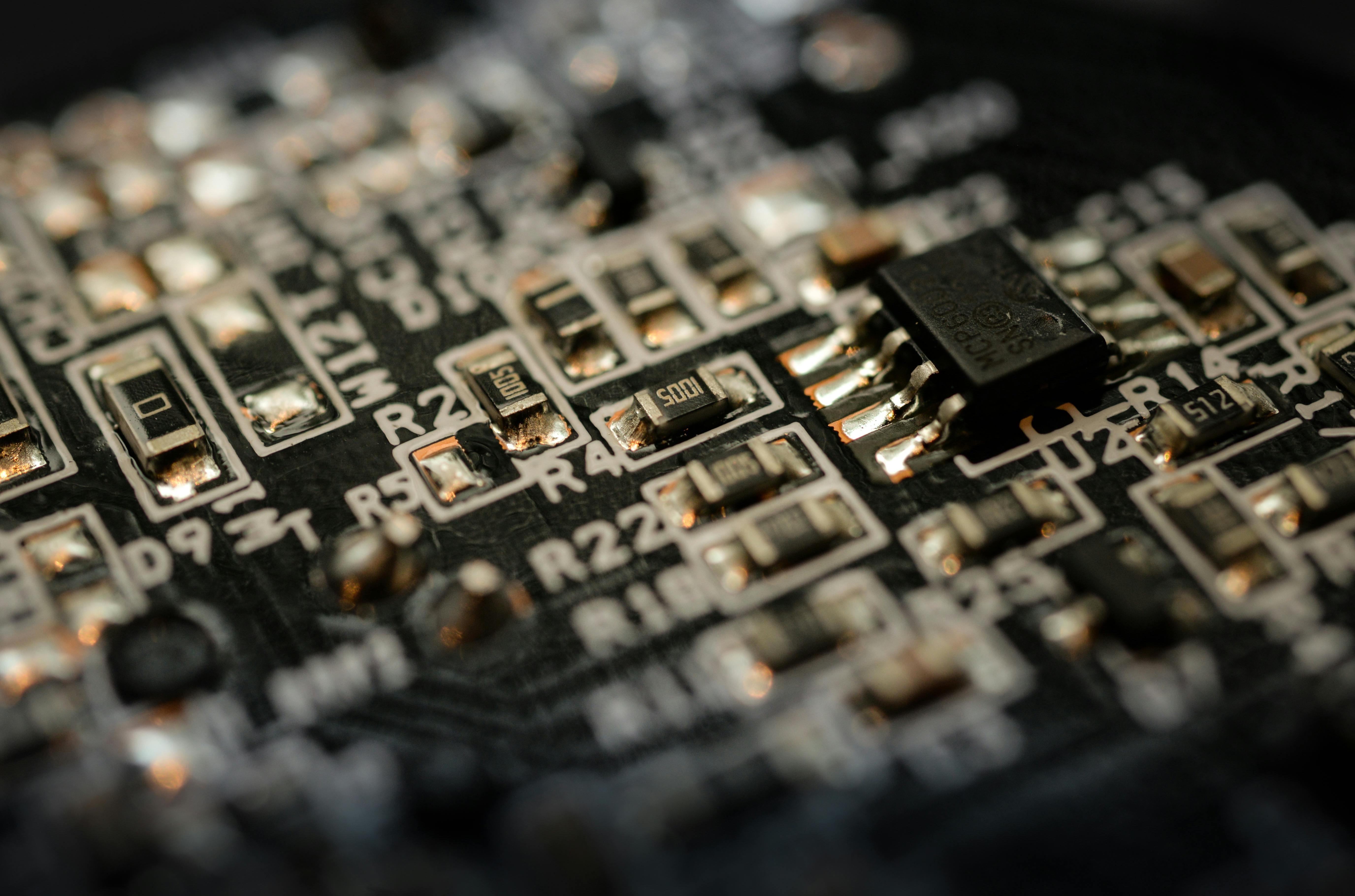
TDP is often misunderstood as a measure of power consumption. In reality, it is a thermal specification: the maximum amount of heat a cooling system must dissipate under a realistic worst-case workload. As the Wikipedia article on Thermal Design Power explains, TDP is not a direct measure of electrical power draw, but it correlates closely for modern high-performance chips. A processor with a TDP of 1000W will, under sustained load, release roughly 1000W of heat into the surrounding environment.
For data center operators, TDP dictates the maximum rack density, the choice of cooling infrastructure, and ultimately the total cost of ownership. When TDP was below 300W per socket, standard air cooling with Computer Room Air Conditioning (CRAC) units was sufficient. At 500W to 700W, raised floors and in-row cooling became necessary. At 1000W and beyond, air alone cannot remove heat fast enough without prohibitive fan power and noise.
The 1000W Threshold: How We Got Here
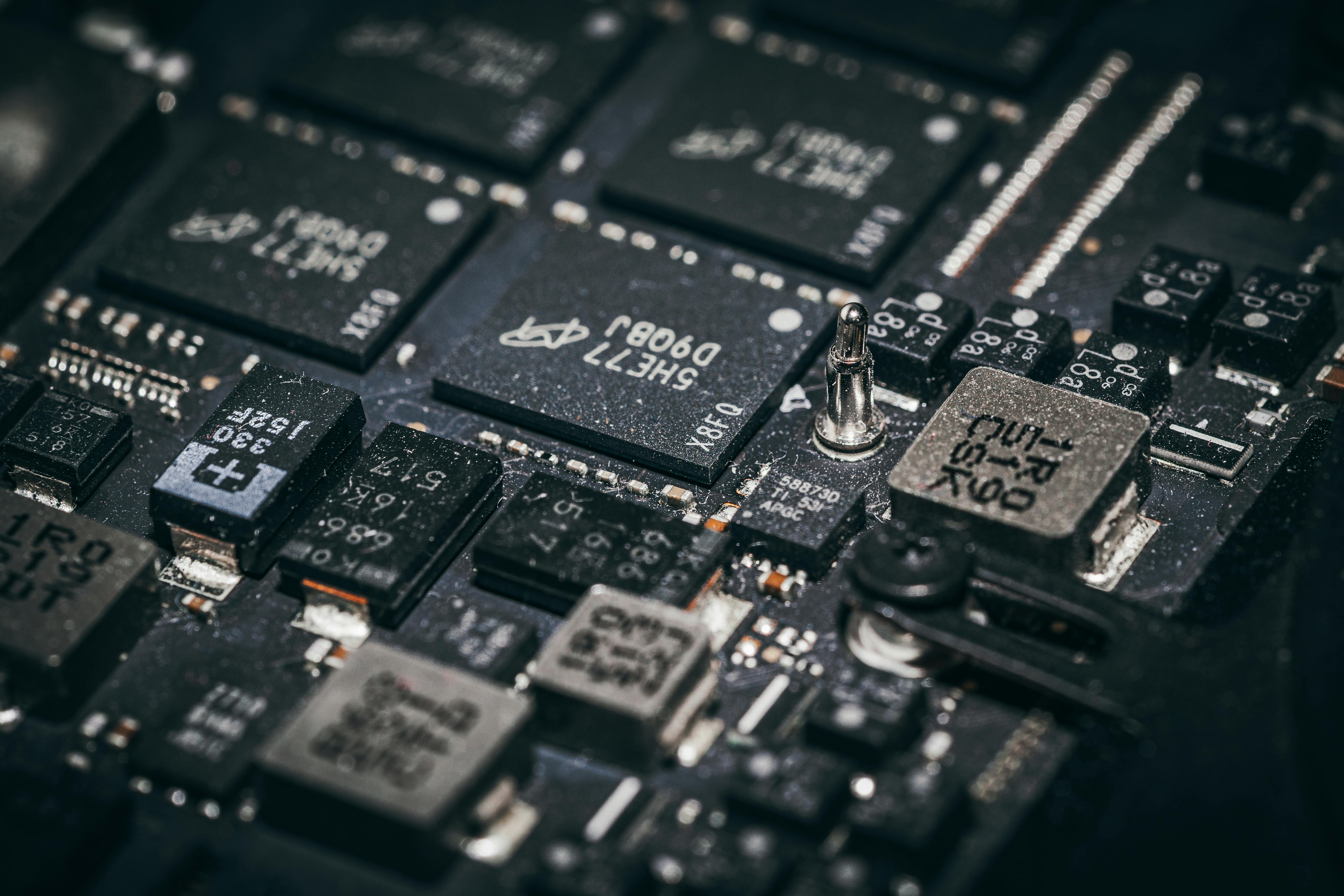
The journey to 1000W chips has been driven by the AI accelerator arms race. Nvidia’s B200 GPU, introduced in 2024, pushed TDP to around 1000W. According to an analysis on Printed Electronics World, the B200’s high TDP forced the adoption of direct-to-chip (D2C) liquid cooling as a requirement, not an option. The next-generation B300 and subsequent architectures are expected to exceed 1200W per GPU.
AMD’s Instinct MI400 series, expected in 2026, is rumored to have a TDP in the 600-800W range per chip, but multi-die packaging and higher memory bandwidth (432GB of HBM4) will push system-level thermal loads even higher. The industry is now designing racks that must handle 40-60 kW per rack, a figure that was unthinkable just five years ago.
Why Air Cooling Fails at 1000W
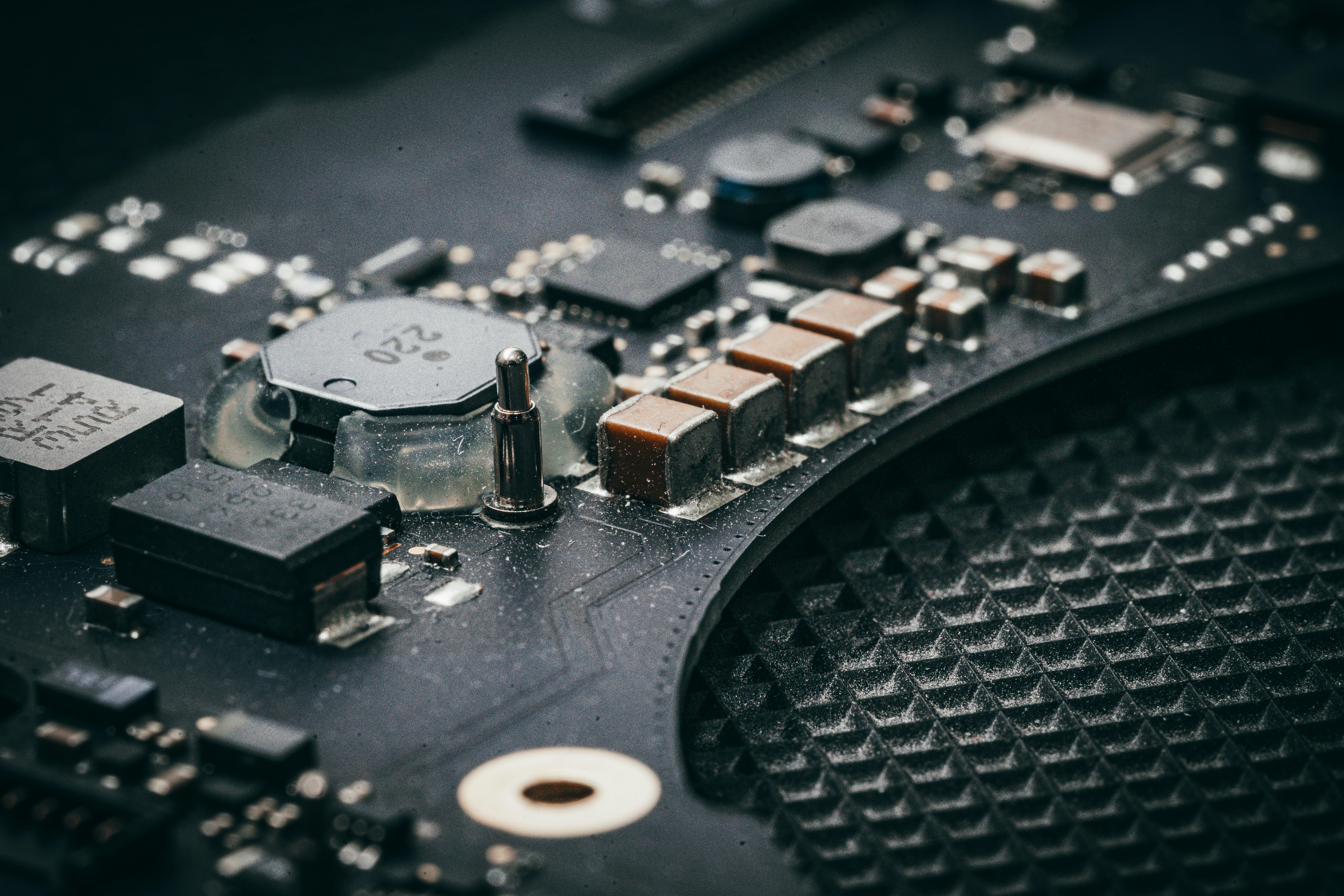
The physics of air cooling impose hard limits. Air has low specific heat capacity and thermal conductivity. To remove 1000W from a single chip, an air-cooled heatsink would need a massive surface area and extremely high airflow, which translates to high fan speeds and noise levels that are unacceptable in most data center environments. Furthermore, the heat density per square centimeter of a GPU die is now exceeding 100 W/cm², approaching the practical limit of air-cooled heat sinks even with vapor chambers.
Electronics Cooling magazine notes that at these power densities, vapor chambers and advanced thermal interface materials (TIMs) are essential, but they are ultimately a bridge to liquid cooling. The fundamental limitation is that air cannot carry heat away fast enough to maintain junction temperatures below the silicon’s safe operating limit (typically 85-100°C).
The Liquid Cooling Revolution
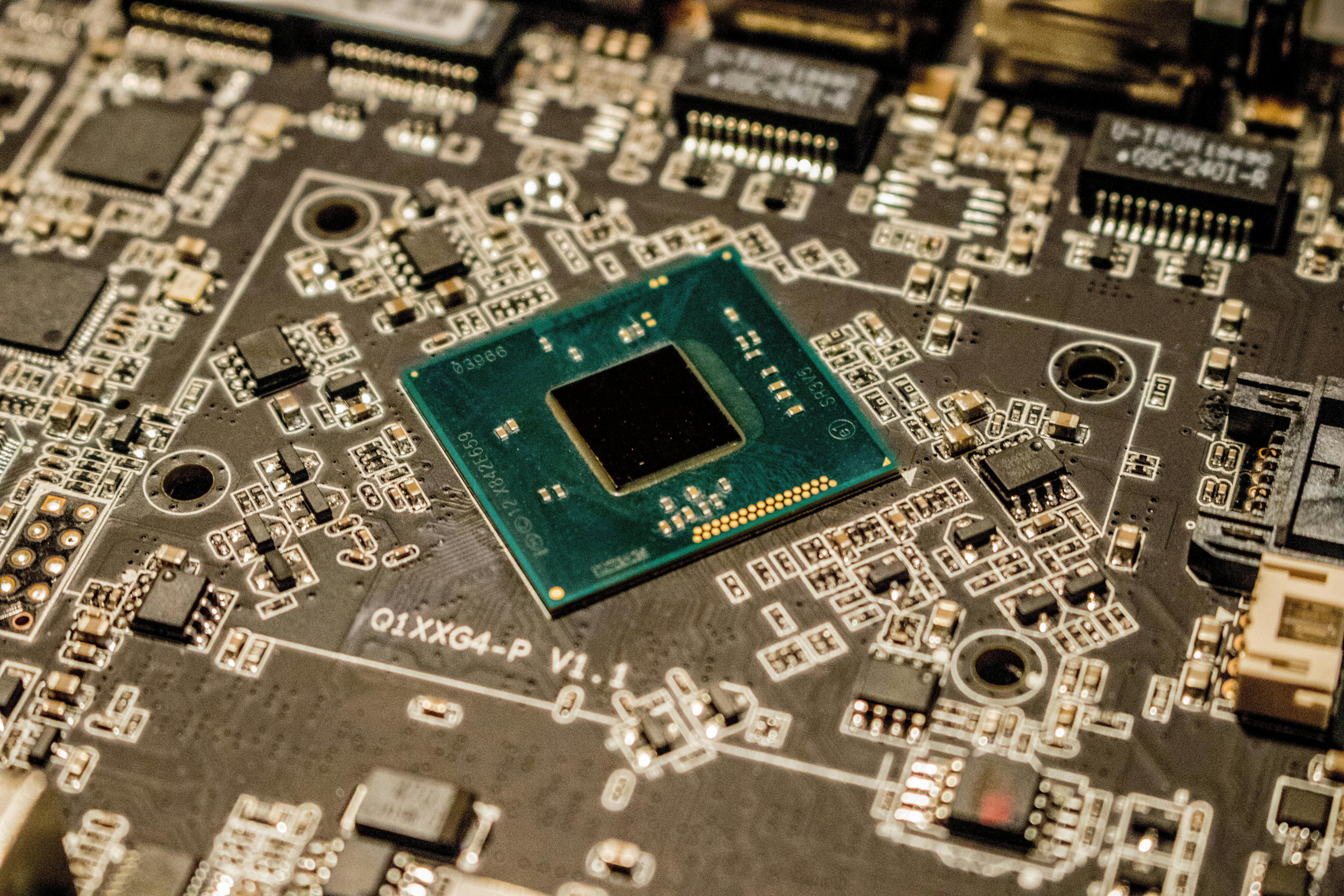
Liquid cooling has existed for decades in high-performance computing (HPC) and supercomputing, but the 1000W TDP threshold has turned it into a mainstream requirement for commercial data centers. The transition is happening in two primary forms:
Direct-to-Chip (D2C) Liquid Cooling
D2C cooling circulates a dielectric or water-based coolant through cold plates mounted directly on the highest-TDP components (GPUs, CPUs, memory). The heat is transferred to a facility-level loop and rejected via dry coolers or cooling towers. IDTechEx analysis states that as of 2025, single-phase D2C cooling remains the dominant solution, but as TDP exceeds 1500W, two-phase D2C (where the coolant boils and condenses) will become essential for the highest-power chips.
Immersion Cooling
Immersion cooling submerges entire servers in a dielectric fluid. This approach eliminates the need for cold plates and can handle extremely high power densities. A sponsored article on Data Center Frontier highlights immersion cooling as a future-ready solution for data centers facing rapidly increasing power densities and high TDP. It is particularly attractive for AI clusters where reliability and density are paramount.
Comparison of Cooling Technologies at 1000W+ TDP
| Technology | Max TDP per Chip (Practical) | Rack Density (kW) | PUE Impact | Maturity |
|---|---|---|---|---|
| Air Cooling (CRAC/CRAH) | ~400W | 10-15 | 1.4-1.8 | Very High |
| In-Row / Rear-Door Heat Exchanger | ~700W | 20-30 | 1.3-1.5 | High |
| Single-Phase D2C Liquid Cooling | ~1500W | 40-60 | 1.1-1.3 | Medium-High |
| Two-Phase D2C Liquid Cooling | 1500W+ | 60-100 | 1.05-1.15 | Emerging |
| Immersion Cooling (Single-Phase) | 2000W+ | 50-100+ | 1.02-1.1 | Medium |
The table shows that while air cooling remains viable for lower-density racks, it cannot economically scale to handle 1000W+ chips. Liquid cooling technologies, particularly two-phase D2C and immersion, offer the best path to managing the thermal load while keeping Power Usage Effectiveness (PUE) close to 1.0.
Market Adoption: Who Is Moving to Liquid Cooling?
The shift is already underway at scale. IDTechEx reports that Supermicro, a major server vendor, had shipped over 2,000 direct-liquid-cooled AI server racks by August 2024 and expanded its manufacturing capacity to 5,000 racks per month. The same analysis notes that Supermicro claimed approximately 75% of the liquid-cooled AI server rack market at that time.
Hyperscalers such as Microsoft, Google, and Meta have all publicly committed to liquid cooling for their next-generation AI clusters. The same IDTechEx report projects a nine-fold surge in liquid cooling technology adoption driven by AI servers and the Nvidia GB200 superchip.
Infrastructure Implications Beyond the Rack
The impact of 1000W chips extends beyond the server room. Data center power and cooling infrastructure must be redesigned from the chip up. Computer Weekly published an analysis of UK power grid data showing the birth of AI in data centres, with actual electricity import data from smart meters revealing utilization ratios that are far higher than previous generations of servers. This means that data centers are not just demanding more power, they are consuming it more consistently, placing a higher burden on the grid and on backup power systems.
For every 1 kW of IT load, a traditional air-cooled data center might require 0.5-0.8 kW of cooling power. With liquid cooling, that overhead can drop to 0.1-0.3 kW, but the upfront capital cost is higher. The trade-off is clear: lower operational expense (OpEx) and higher density versus higher initial capital expenditure (CapEx).
Challenges and Risks
The transition to liquid cooling is not without challenges. Leak detection, fluid compatibility, maintenance complexity, and the need for specialized technician training are all significant barriers. IDTechEx notes technical and commercial challenges for data center direct-to-chip cooling, including the need for standardized interfaces and the risk of single points of failure in the coolant distribution system.
Furthermore, the global supply chain for cooling components—pumps, cold plates, heat exchangers, and dielectric fluids—is still ramping up. Lead times for some specialized components can exceed 20 weeks, which could slow the deployment of new AI capacity.
The Future: Beyond 1000W
The industry is not stopping at 1000W. Roadmaps from Nvidia, AMD, and others point to chips with TDPs of 1500W to 2000W within the next 3-5 years. This will necessitate a move to two-phase cooling for the highest-power components and potentially widespread adoption of immersion cooling for entire racks. The IDTechEx report on the future of data centers moving to two-phase liquid cooling as TDP exceeds 1500W provides a detailed forecast through 2036.
Data center operators who are not already planning for liquid cooling are at risk of being unable to deploy the next generation of AI hardware. The 1000W TDP threshold is not a future problem—it is a present reality that has already changed the cooling landscape forever.
Conclusion
Thermal Design Power has evolved from a footnote in processor specifications to the single most important constraint in data center design. The 1000W chip has broken the air cooling paradigm and ushered in the liquid cooling era. For operators, the choice is no longer about whether to adopt liquid cooling, but which liquid cooling architecture best fits their density, cost, and operational requirements. Those who adapt quickly will have a competitive edge in the AI-driven future of computing.
Sources and further reading
- Thermal design power – Wikipedia – Foundational definition and calculation of TDP.
- Future of Data Centers Moves to Two-Phase Liquid Cooling as TDP Exceeds 1500W – IDTechEx (LinkedIn) – Analysis of two-phase D2C cooling trends.
- The Rise of AI Drives 9 Fold Surge in Liquid Cooling Technology – Printed Electronics World / IDTechEx – Market data on liquid cooling adoption and Supermicro’s shipments.
- Meeting Data Center Cooling Demands with Immersion Cooling Fluids – Data Center Frontier – Sponsored overview of immersion cooling as a solution.
- Data dive: Power grid data shows birth of AI in UK datacentres – Computer Weekly – Analysis of actual power consumption patterns in AI data centers.
- Vapor Chambers vs. Thermal Pads – Electronics Cooling – Technical comparison of thermal solutions for high-power electronics.
How this analysis was produced
This article combines current web research from the sources listed above, review of industry reports from IDTechEx and market analysts, and editorial synthesis of verified data points. All specific numbers and claims are tied to their respective sources. The analysis reflects the state of the industry as of early 2026.