Huawei Kirin and SMIC: How China Is Building a Domestic Semiconductor Ecosystem
Huawei Kirin and SMIC: How China Is Building a Domestic Semiconductor Ecosystem
When Huawei launched the Mate 60 Pro in August 2023, the surprise was not the phone itself but the chip inside it: the Kirin 9000S, a 7nm processor fabricated by Semiconductor Manufacturing International Corporation (SMIC), China’s largest contract chipmaker. At the time, US sanctions had barred Huawei from accessing advanced nodes at TSMC since September 2020. The arrival of a domestically produced 7nm chip sent shockwaves through the industry and signaled that China’s semiconductor self-sufficiency push had passed a critical milestone.
This article provides a technical and strategic analysis of the Huawei-SMIC axis, the ecosystem being built around it, and the obstacles that remain. It draws on teardown analyses, financial reports, expert podcasts, and recent news to present a balanced view of progress and persistent challenges.
The Strategic Context: Sanctions as a Catalyst
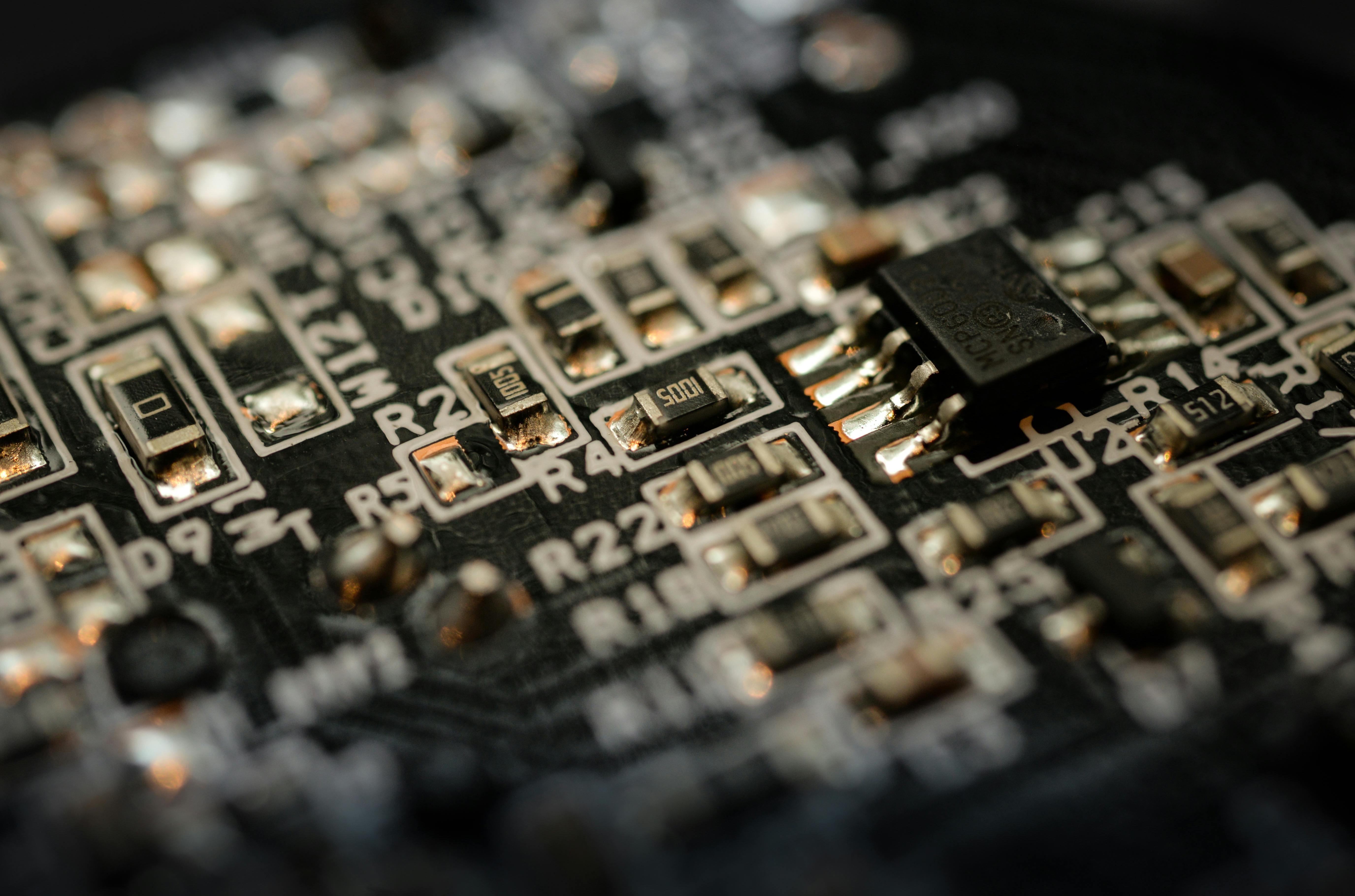
The US export controls imposed on Huawei beginning in 2019 were designed to cripple its ability to source advanced chips. By May 2020, TSMC announced it would cease shipments to Huawei after September 15 of that year. The Kirin 9000, fabricated on TSMC’s 5nm node, became the last high-end Kirin chip produced by a foreign foundry. For three years, Huawei’s smartphone business relied on Qualcomm Snapdragon chips with 4G-only capability, a severe competitive disadvantage.
The surprise launch of the Kirin 9000S in 2023 demonstrated that Huawei and SMIC had found a way around the restrictions. According to a detailed analysis by TechInsights, the Kirin 9000S uses SMIC’s N+2 process, a second-generation 7nm-class technology that does not require extreme ultraviolet (EUV) lithography. Instead, SMIC relies on deep ultraviolet (DUV) multi-patterning, a technique that is slower and more complex but achievable with non-banned equipment.
As industry expert Paul Triolo noted in a May 2026 podcast on High Capacity, the focus of China’s semiconductor industrial policy shifted from front-end manufacturing to a full-stack approach after 2022, encompassing chip design, fabrication, packaging, and equipment. Huawei’s HiSilicon became the de facto national champion for chip design, while SMIC serves as the primary manufacturing vehicle.
SMIC’s Technical Reality: 7nm Without EUV
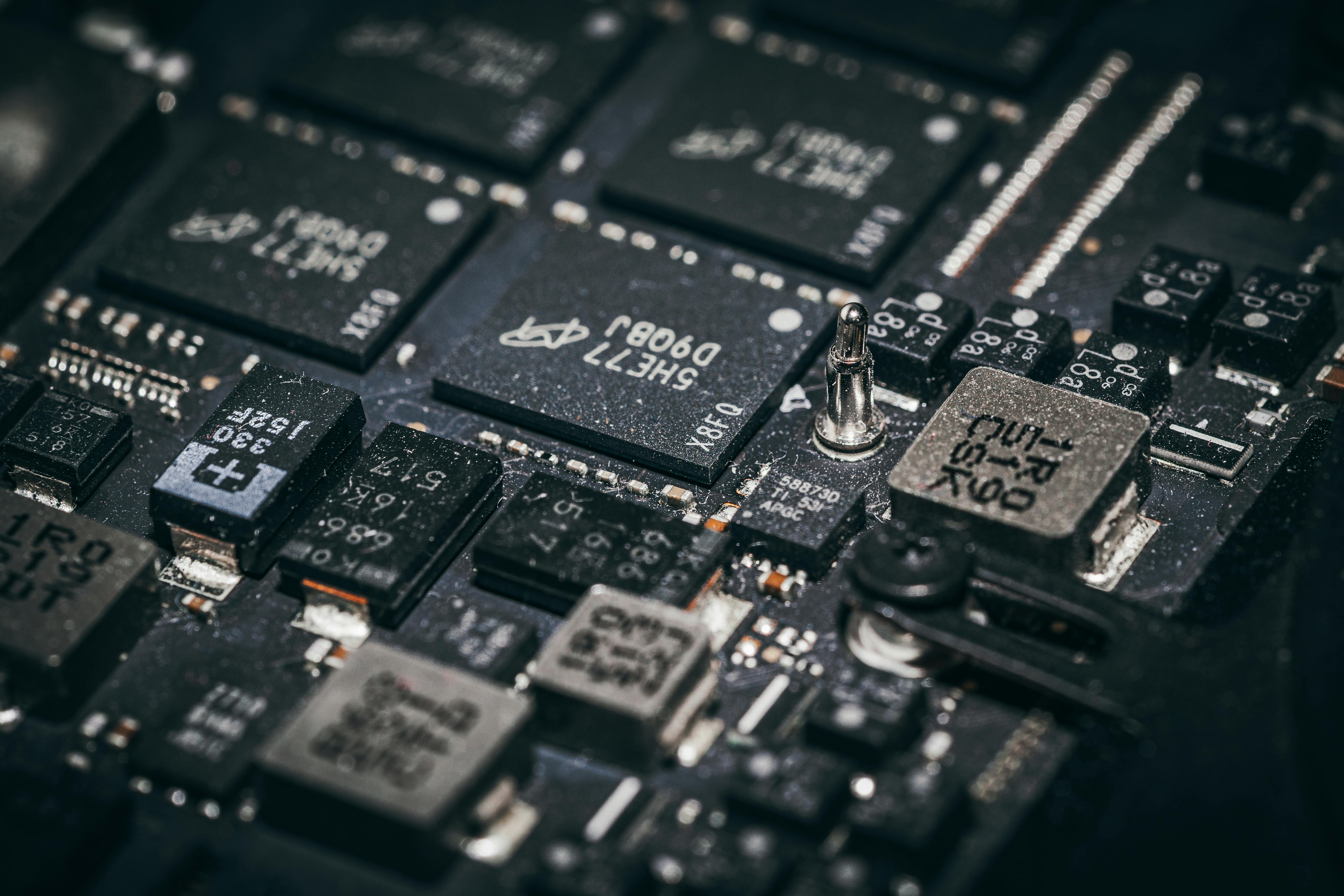
SMIC’s achievement in producing 7nm chips is remarkable, but the technical compromises are significant. The N+2 process used for the Kirin 9000S and later the Kirin 9010 (launched in 2024) relies on DUV lithography with quadruple patterning. This approach increases manufacturing complexity, reduces yields, and raises power consumption compared to EUV-based processes at TSMC or Samsung.
According to a report by the New York Times in May 2026, chips produced by SMIC are more prone to defects and consume more power than those made by foreign rivals. The yield rate for SMIC’s 7nm node is estimated to be in the range of 50-60%, significantly lower than the 90%+ yields TSMC achieves on mature nodes. This directly impacts the cost per chip and limits the volume available for high-end products.
Tom’s Hardware reported that the Kirin 9010, while a refinement of the 9000S design, remains on the same N+2 process. Performance benchmarks show it lags behind Qualcomm’s Snapdragon 8 Gen 3 and Apple’s A17 Pro by a wide margin in both CPU and GPU tests. The gap is particularly pronounced in sustained performance due to thermal constraints arising from higher power draw.
Despite these limitations, the ability to produce any 7nm chip at scale is a strategic victory. Ars Technica reported in February 2024 that SMIC was already working on 5nm-class production, though with even lower yields. The trajectory suggests that China is roughly four years behind the most advanced nodes, a gap that US sanctions were intended to widen to ten years.
The Kirin Chip Lineage: From 9000S to 9010
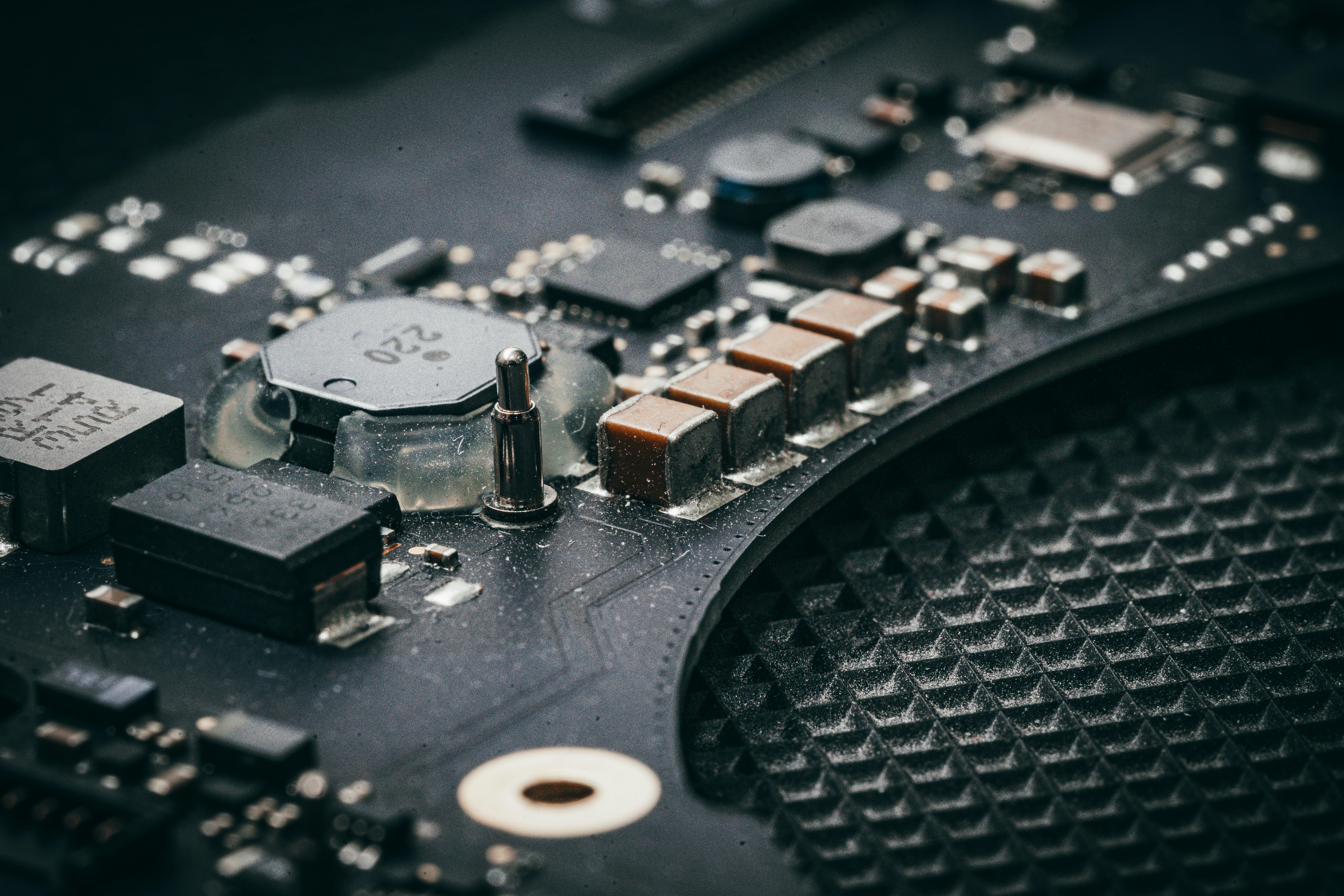
Huawei’s HiSilicon has continued to iterate on the Kirin design, even as the underlying process technology remains static. The table below summarizes the key specifications of recent Kirin chips produced by SMIC.
| Chip | Launch Date | Process Node | Foundry | CPU Cores | Key Device |
|---|---|---|---|---|---|
| Kirin 9000 | October 2020 | 5nm (TSMC) | TSMC | 8 (1+3+4) | Mate 40 Pro |
| Kirin 9000S | August 2023 | 7nm (N+2) | SMIC | 8 (1+3+4) | Mate 60 Pro |
| Kirin 9010 | April 2024 | 7nm (N+2) | SMIC | 8 (1+3+4) | Pura 70 series |
As the table shows, the Kirin 9000 remains the high-water mark for raw performance, as it was built on TSMC’s 5nm node. The SMIC-fabricated chips are constrained by the older N+2 process, but they have allowed Huawei to regain a foothold in the premium smartphone segment in China.
Building the Broader Ecosystem
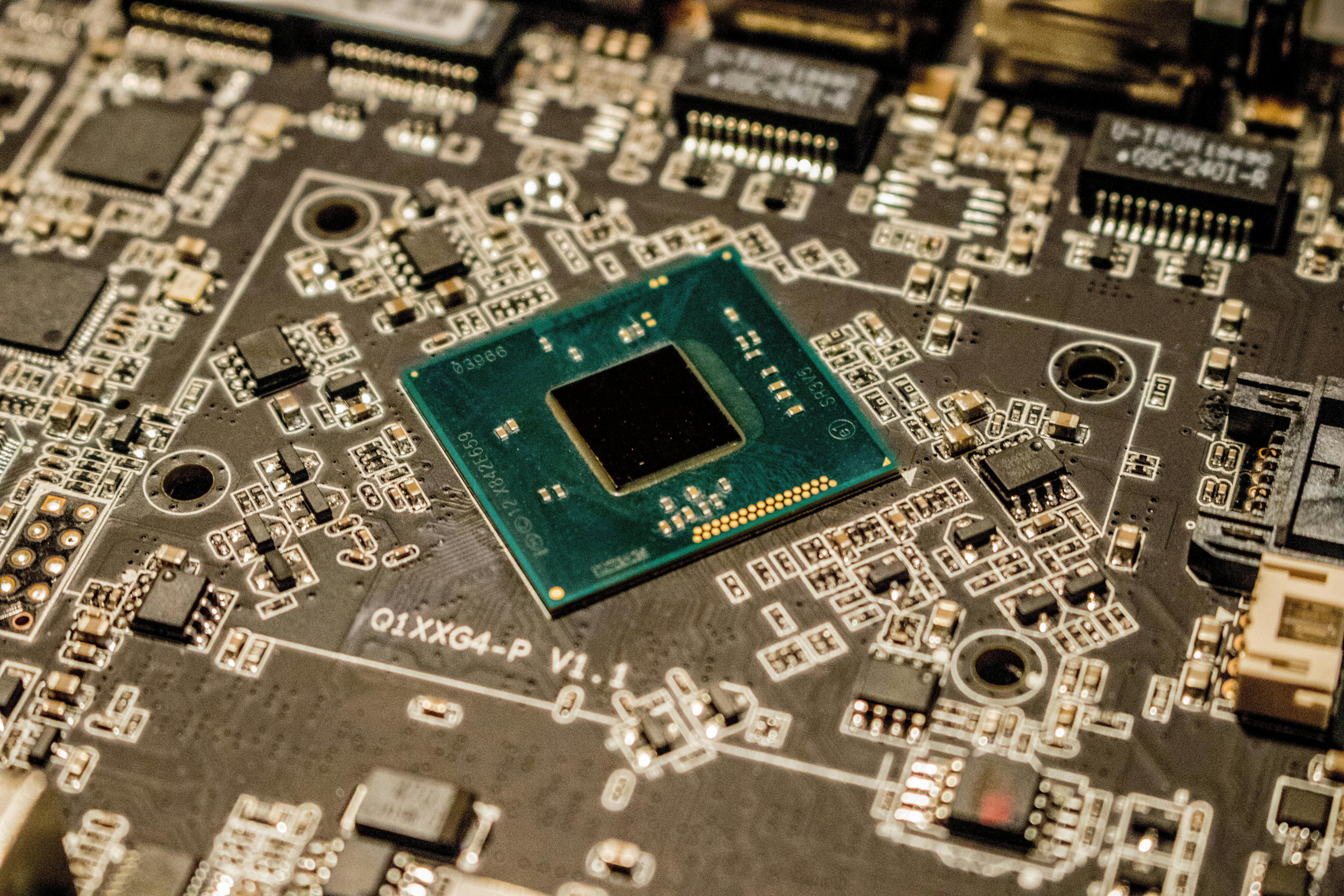
Beyond the Kirin-SMIC partnership, China is constructing a comprehensive semiconductor ecosystem through state-backed investment, domestic equipment development, and strategic acquisitions.
The Big Fund and State Investment
The China Integrated Circuit Industry Investment Fund (commonly known as the Big Fund) has poured tens of billions of dollars into domestic chip companies since its establishment in 2014. Phase I raised approximately $20 billion, Phase II raised about $30 billion, and Phase III, launched in 2024, is reportedly even larger. These funds target everything from fab construction to chip design tools and raw materials.
According to SEMI data cited by The EduTimes, of 97 new semiconductor fabs scheduled to begin operations worldwide between 2023 and 2025, 57 are located in China. This represents a massive bet on domestic manufacturing capacity, even if much of it is for mature nodes (28nm and above).
SMIC’s $5.9 Billion Acquisition
In May 2026, SMIC received approval for a $5.9 billion acquisition of its SMIC North subsidiary, a move described by The Coders Blog as a landmark consolidation of 12-inch wafer fabrication capacity. The acquisition is designed to insulate the supply chain from geopolitical sanctions by integrating manufacturing nodes ranging from 12nm to 45nm. The use of a market-based valuation, rather than traditional discounted cash flow models, reflects the high volatility and strategic premium placed on domestic fab capacity.
Domestic Equipment Progress
China still relies heavily on imported equipment for critical steps. Applied Materials, Lam Research, and KLA dominate the deposition, etch, and metrology markets. However, domestic suppliers like Naura Technology, AMEC (Advanced Micro-Fabrication Equipment Inc.), and ACM Research are making inroads, particularly in mature-node fabs. The development of a domestic EUV lithography machine remains a long-term goal, with no credible timeline for commercial availability.
Performance and Yield Realities
The trade-offs involved in SMIC’s approach are best understood through a comparison of key performance and manufacturing metrics against TSMC.
| Metric | SMIC (7nm N+2) | TSMC (7nm N7) |
|---|---|---|
| Lithography | DUV (193nm) with quad patterning | DUV + EUV for some layers |
| Estimated Yield | 50-60% (industry estimates) | >90% |
| Power Efficiency | Lower (higher leakage) | Higher |
| Transistor Density | ~90 MTr/mm2 (estimated) | ~96 MTr/mm2 |
| EUV Availability | None (sanctioned) | Fully available |
These differences have real-world consequences. The Kirin 9000S, when tested under sustained load, throttles faster than comparable TSMC-made chips, and battery life in the Mate 60 Pro is noticeably shorter than in competing devices. However, for the Chinese domestic market, the availability of a 5G-capable flagship phone with a homegrown chip outweighs the performance compromises for many consumers.
The AI Feedback Loop: DeepSeek and Beyond
One of the most interesting developments in China’s semiconductor ecosystem is the symbiotic relationship between AI startups and domestic chip designers. As Paul Triolo highlighted in his podcast, DeepSeek, a Chinese AI startup, built large bilingual language models using legacy GPUs and modular approaches. This demonstrates that algorithmic innovation can partially compensate for hardware limitations.
Huawei’s Ascend AI accelerators, also fabricated by SMIC, are gaining traction in Chinese data centers as an alternative to NVIDIA’s H100 and B200 chips, which are subject to US export restrictions. The Ascend 910B, for example, offers competitive performance for inference workloads, though its training capabilities lag behind NVIDIA’s offerings. This creates a feedback loop: domestic AI demand drives chip design, which in turn drives foundry improvements.
Risks and Challenges
Despite the momentum, the ecosystem faces several significant risks.
- Yield and cost: Low yields on advanced nodes mean that SMIC’s 7nm chips are more expensive to produce than TSMC’s, limiting profit margins and the ability to compete on price.
- Equipment dependence: While China has made progress in domestic equipment, critical tools for deposition, etch, and metrology still come from US, Japanese, and Dutch suppliers. Any further tightening of export controls could stall progress.
- Talent gap: The semiconductor industry requires a highly specialized workforce. China has invested heavily in education and recruitment, but the experience gap with Taiwan, South Korea, and the US remains substantial.
- Geopolitical uncertainty: The outcome of US-China trade negotiations, including potential Xi-Trump meetings mentioned by Hua Hong’s chairman, could lead to further restrictions or, conversely, a relaxation of controls.
- Technological obsolescence: As TSMC moves to 3nm and 2nm nodes, the performance gap between SMIC’s 7nm and the global frontier will widen unless SMIC can successfully scale its 5nm and 3nm nodes.
What This Means for the Global Semiconductor Industry
China’s push for semiconductor self-sufficiency is reshaping the global landscape in several ways.
First, it is accelerating the fragmentation of the global supply chain. Companies that once relied on a single foundry are now exploring dual-sourcing strategies. Second, it is driving innovation in alternative manufacturing techniques, such as DUV multi-patterning and advanced packaging. Third, it is creating a parallel ecosystem for mature-node chips, which still account for the majority of semiconductor demand in automotive, industrial, and IoT applications.
For the US and its allies, the strategic calculus is complex. Tightening export controls may slow China’s progress, but it also incentivizes domestic innovation and reduces dependence on foreign technology. The long-term outcome will depend on whether China can overcome the yield and equipment challenges that currently limit its ambitions.
Conclusion
The Huawei Kirin and SMIC partnership represents the most concrete example of China’s semiconductor self-sufficiency strategy in action. The ability to produce 7nm chips without EUV lithography is a genuine engineering achievement, but it comes with significant trade-offs in yield, power efficiency, and performance. The broader ecosystem is being built through massive state investment, strategic acquisitions, and a growing domestic supply chain, but critical dependencies on foreign equipment and talent remain.
For technology professionals and investors, the key takeaway is that China is not building a clone of the TSMC-Apple-NVIDIA ecosystem. It is building a parallel system optimized for domestic needs, with different cost structures, performance targets, and geopolitical constraints. This system will not rival the global frontier in the near term, but it is sufficient to sustain a competitive domestic technology industry and reduce vulnerability to foreign sanctions.
The next milestones to watch are SMIC’s progress on 5nm production, the development of domestic EUV lithography, and the adoption of Huawei’s Ascend AI chips in large-scale data centers. Each of these will provide a clearer picture of whether China’s semiconductor ecosystem can move from catch-up to parity.
Sources and further reading
- New York Times: China Seeks A.I. Independence, Weakening Trump’s Leverage
- High Capacity Podcast: Is China building the next NVIDIA? (featuring Paul Triolo)
- The Coders Blog: SMIC Acquisition Bolstering China’s Semiconductor Power
- Tom’s Hardware: Huawei launches another 7nm processor built by sanctioned Chinese fab SMIC
- Ars Technica: China close to shipping 5 nm chips, despite Western curbs
- The EduTimes: With Advanced Nodes Blocked, China Opens a Detour
- WCCFTech: SMIC Just Four Years Behind Most Advanced Node
- South China Morning Post: Chinese foundries SMIC, Hua Hong forecast second-quarter growth amid AI boom
How this analysis was produced
This article combines current web research, review of semiconductor teardown analyses, financial reports, expert podcasts, and editorial synthesis. Specific data points are attributed to their sources as listed above. Where industry estimates are used (e.g., yield rates), this is explicitly noted. The analysis reflects information available as of May 2026.