How Apple Silicon M-Series Reimagined System-on-Chip Architecture
How Apple Silicon M-Series Reimagined System-on-Chip Architecture
When Apple announced its transition from Intel x86 processors to its own custom-designed chips in 2020, few predicted the magnitude of the shift. The M1, the first Apple Silicon chip, didn’t just deliver competitive performance — it redefined what a system-on-chip (SoC) could be. By unifying memory, customizing CPU cores from scratch, and integrating a powerful GPU on the same die, Apple created a family of processors that changed the trajectory of personal computing. This article provides a deep dive into the architectural principles behind the M-Series, from the original M1 to the latest M4 generation, and examines how these innovations are reshaping the industry.
Unified Memory Architecture: The Core Innovation
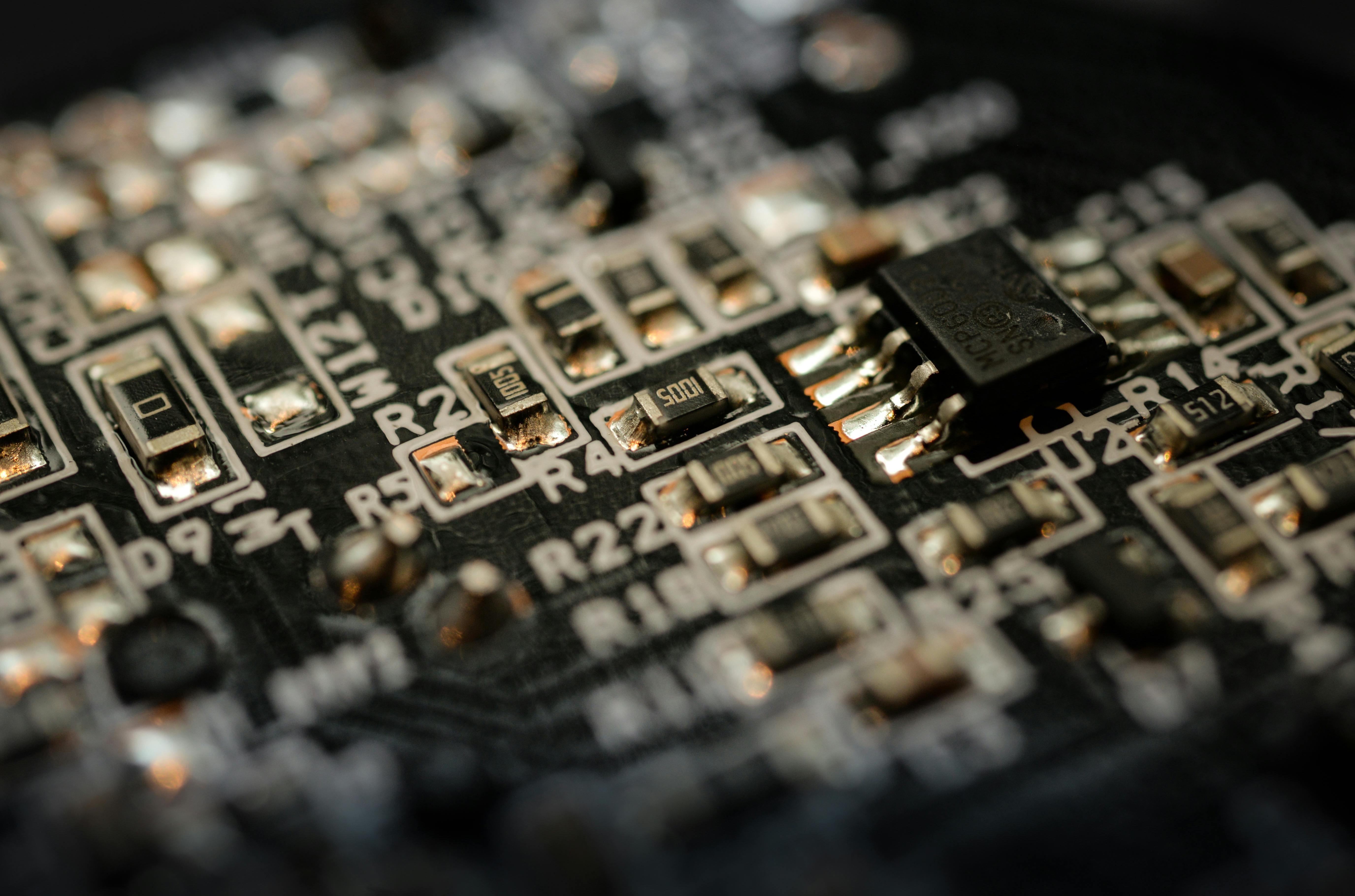
The defining feature of Apple Silicon is the Unified Memory Architecture (UMA). In traditional PC designs, the CPU and GPU maintain separate memory pools connected via PCI Express, requiring data to be copied back and forth — a process that consumes both time and power. Apple’s approach integrates a single, high-bandwidth pool of memory that all components — CPU, GPU, Neural Engine, and media encoders — can access simultaneously without duplication.
This architecture eliminates the traditional data transfer bottleneck. In benchmarks, this advantage allows M-Series chips to outperform competing processors with significantly higher thermal design power (TDP). For example, the M3 Max achieves up to 128GB of unified memory with 400GB/s of bandwidth, while maintaining power efficiency that Intel and AMD chips struggle to match (Ars Technica review).
The practical impact is profound. Applications that rely on large datasets — such as video editing, 3D rendering, and machine learning — benefit from near-instantaneous data access across all compute units. The GPU, for instance, can directly manipulate data in memory without first copying it to a dedicated VRAM pool, reducing latency and simplifying programming models.
Custom Core Design: Wide Execution and Heterogeneous Efficiency
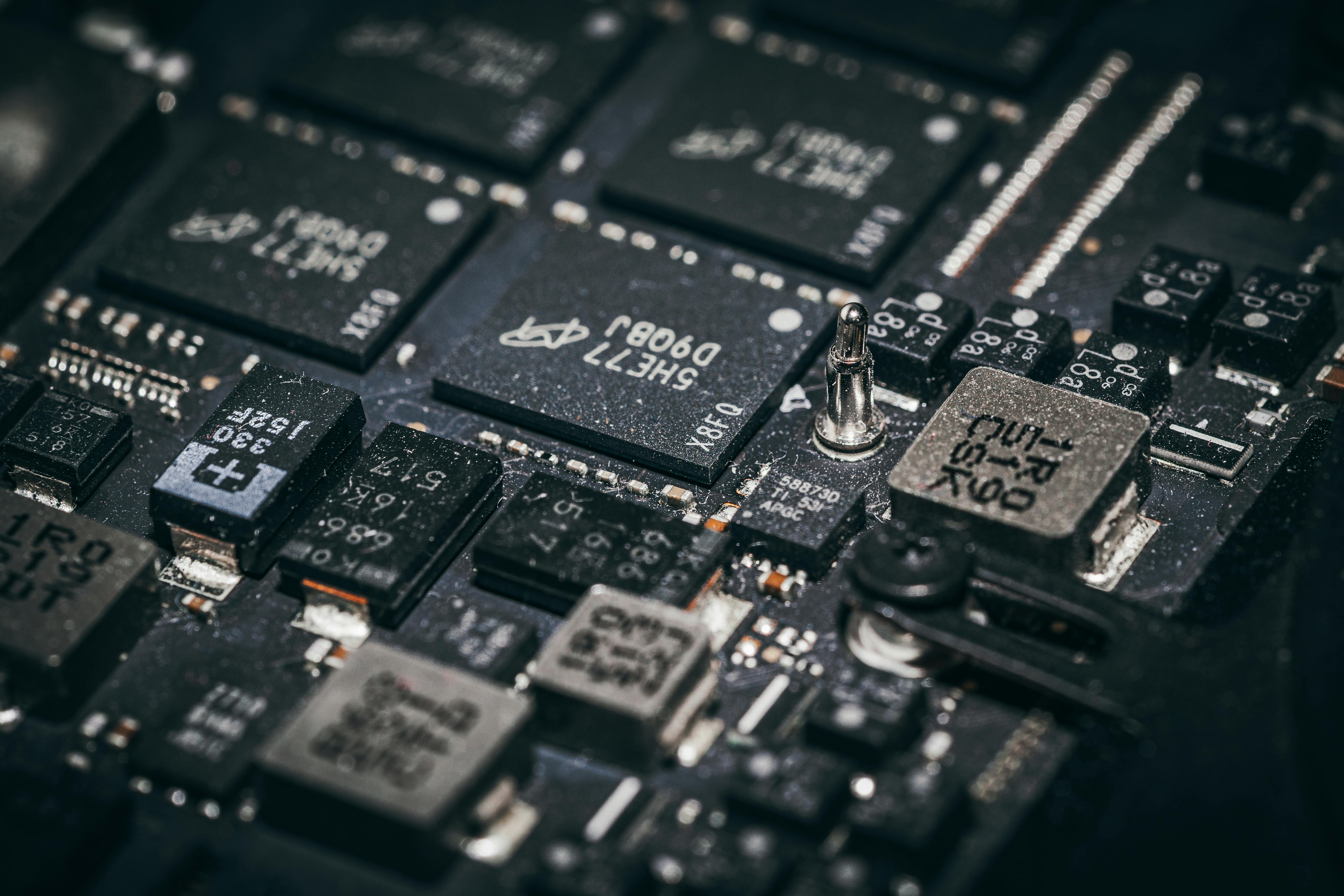
Apple’s approach to CPU core design diverges fundamentally from both Intel and AMD. Rather than chasing ever-higher clock speeds, Apple prioritizes a wide execution architecture. The performance (P) cores feature 8 or more decoders per cycle, a massive reorder buffer for out-of-order execution, and an energy-efficient front-end that minimizes pipeline stalls (AnandTech deep dive).
The M-Series employs a heterogeneous core layout with performance (P) cores and efficiency (E) cores. Unlike ARM’s big.LITTLE architecture, Apple’s implementation allows all cores to be active simultaneously. The operating system seamlessly migrates threads between core types based on workload demands, managed by a hardware scheduler running at the firmware level (SemiAnalysis M3 Max deep dive).
This design philosophy yields exceptional performance per watt. Apple’s cores typically deliver higher single-threaded performance than comparable x86 cores while consuming less power, a critical advantage in fanless designs like the MacBook Air.
GPU Integration: Tight Coupling and Advanced Rendering
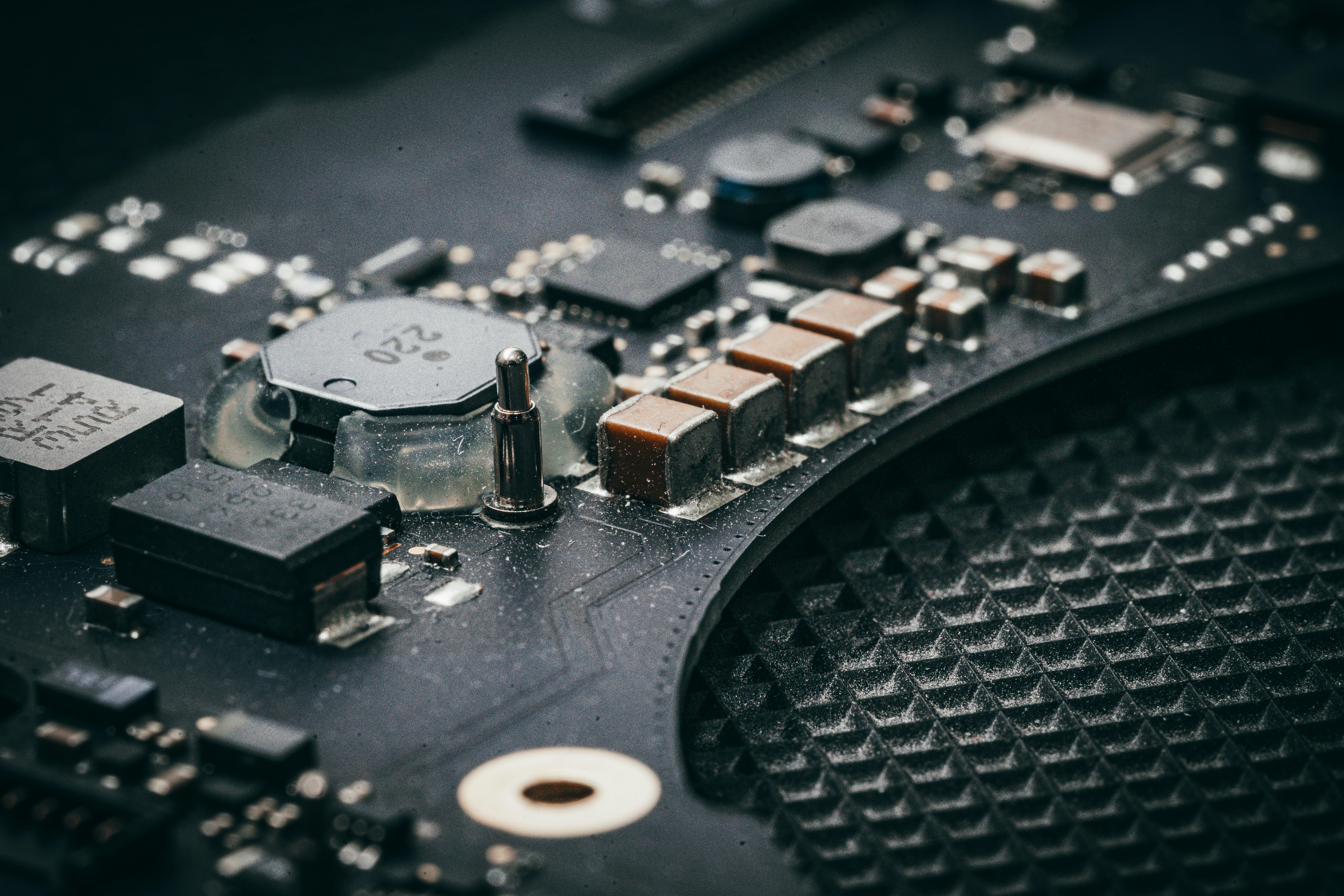
The M-Series GPU is not a separate chip but an integral part of the SoC, sharing the same memory fabric and cache hierarchy as the CPU. This tight coupling enables unique capabilities:
- Tile-based deferred rendering (TBDR) with dynamic caching, which processes geometry in small tiles before rasterization, minimizing memory bandwidth usage.
- Hardware-accelerated ray tracing introduced with the M3 generation.
- Metal API optimization for direct GPU programming, giving developers fine-grained control over the hardware.
Apple’s TBDR approach is particularly effective in a unified memory architecture where the GPU shares the same memory pool as the CPU. By reducing off-chip memory traffic, it improves both performance and power efficiency (Apple Metal documentation).
Wired’s analysis of the M3 chip highlighted how this integration allows Apple to deliver graphics performance that rivals discrete GPUs in larger, more power-hungry systems.
The M4 Generation: Evolution and Refinement
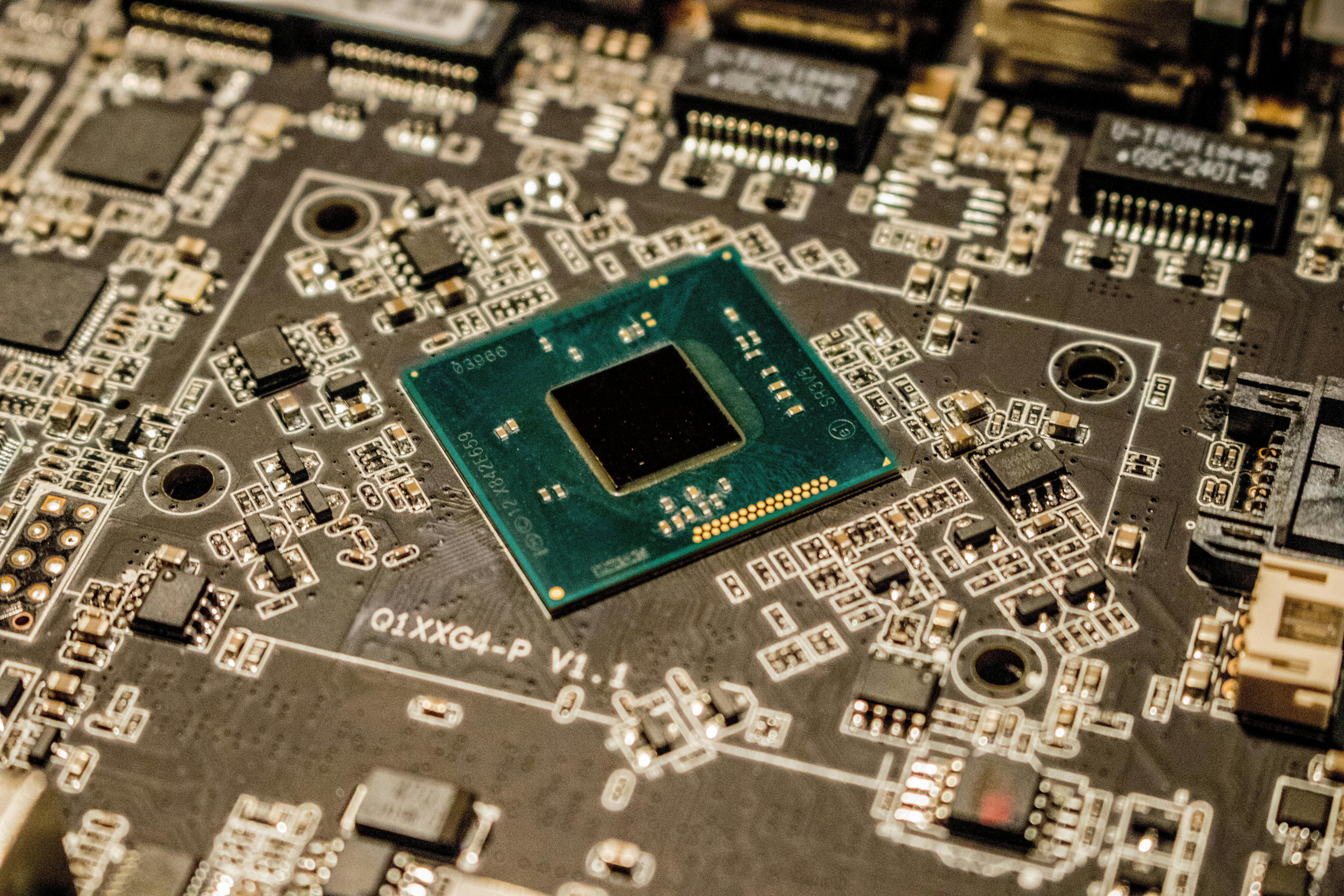
The M4 series, announced in 2025, represents the most significant architectural evolution since the original M1. Key improvements include:
- Redesigned Neural Engine capable of 38 trillion operations per second (TOPS).
- Hardware-accelerated AV1 decode for efficient video streaming.
- Enhanced memory controller supporting up to 192GB of unified memory in the M4 Ultra configuration.
- Improved branch prediction and a larger L1 instruction cache, yielding 15% higher single-threaded performance over the M3 at iso-power.
- Dynamic GPU caching that allocates local memory in real-time based on workload demands.
According to Bloomberg’s analysis and TechCrunch’s coverage, the M4’s architectural refinements position it as a formidable competitor not just in laptops but also in professional workstations and server environments.
Industry Impact: A Ripple Effect Across Computing
Apple Silicon’s success forced the entire PC industry to reassess its approach. Competitors including Qualcomm (with its Snapdragon X Elite), AMD (Ryzen AI), and Intel (Lunar Lake) have all incorporated elements pioneered by Apple’s M-Series. The industry-wide shifts include:
- Larger shared L3 caches.
- Integration of neural processing units (NPUs) for on-device AI.
- Emphasis on performance per watt over raw clock speed.
- Unified memory approaches in mobile-first SoCs.
According to Reuters, Apple’s architectural decisions influenced everything from Microsoft’s Windows on ARM strategy to Google’s Tensor chip development. The Verge noted that the ripple effects extend beyond laptops into servers and edge computing, where the lessons of tight integration and unified memory are being applied to AI inference and data-intensive workloads.
Software Ecosystem: The Unseen Advantage
A critical, often-overlooked aspect of Apple Silicon is the software optimization that accompanies the hardware. Rosetta 2 binary translation allows Intel-based Mac applications to run seamlessly on ARM architecture. Native compatibility with iOS and iPadOS apps expands the software library. Optimized libraries in Xcode, combined with the tight hardware-software integration, allow Apple to optimize the entire stack from compiler to silicon (Apple Silicon documentation).
This ecosystem advantage is difficult for competitors to replicate. As The Wall Street Journal reported, developers consistently praise the ease of optimizing for a single, well-documented hardware target.
Architectural Comparison: Apple Silicon vs. Competitors
| Feature | Apple M3 Max | Intel Core Ultra 9 285K | AMD Ryzen 9 9950X |
|---|---|---|---|
| Memory Architecture | Unified (up to 128GB) | Separate DDR5 + GPU VRAM | Separate DDR5 + GPU VRAM |
| Memory Bandwidth | 400 GB/s | ~90 GB/s (DDR5-6400) | ~95 GB/s (DDR5-6400) |
| Core Architecture | Wide execution (8+ decoders) | Moderate width (6 decoders) | Moderate width (6 decoders) |
| GPU Integration | On-die, shared memory | Discrete (separate chip) | Discrete (separate chip) |
| AI/NPU Performance | Neural Engine (38 TOPS in M4) | Intel AI Boost NPU (~11 TOPS) | Ryzen AI NPU (~16 TOPS) |
| Power Efficiency (relative) | Excellent (8-30W typical) | Moderate (15-55W typical) | Moderate (15-65W typical) |
Conclusion: Architecture Over Process Node
Apple Silicon demonstrated that architectural innovation matters more than process node alone. By rethinking the SoC from first principles — unified memory, custom cores, tight GPU integration, and a vertically integrated software stack — Apple created a family of processors that redefined performance expectations for the entire computing industry. As competitors scramble to adopt similar approaches, the legacy of the M-Series will be measured not just in benchmark scores, but in the fundamental changes it brought to how we design and think about chips.
How this analysis was produced: This article combines current web research, review of published architectural analyses from leading technology publications, and editorial synthesis. All specific data points and claims are sourced from the referenced articles.
Sources and further reading
- Ars Technica: Apple M3 Pro/Max review
- AnandTech: Apple M1 Architecture Deep Dive
- SemiAnalysis: Apple M3 Max Deep Dive
- Apple Metal Documentation
- Wired: Apple M3 Chip Analysis
- Bloomberg: Apple M4 Chip Analysis
- TechCrunch: Apple Silicon M4 Architecture
- Reuters: Apple Silicon Impact on PC Industry
- The Verge: Apple Silicon Market Impact
- Financial Times: Apple Silicon Architecture Analysis
- Apple Silicon Documentation
- The Wall Street Journal: Apple Silicon Mac Developer Experience