From Sand to Silicon: The Making of a Microchip | Intel
From Sand to Silicon: The Making of a Microchip
The device you are reading this on, the server that delivered this page, and the network that connected them all share a common ancestor: sand. It is a startling fact that the most complex man-made object on the planet begins as one of the most common substances on Earth. The journey from a handful of beach sand to a microprocessor containing billions of transistors is a marvel of physics, chemistry, and precision engineering. This article unpacks that journey, explaining each critical stage of semiconductor fabrication, the science that makes it possible, and the economic scale of an industry that underpins the global economy.
Modern microchips are the invisible engines of the digital age. Understanding how they are made provides essential context for evaluating technology trends, supply chain risks, and the future of computing. This analysis draws on Intel’s official documentation, industry financial reports, and current semiconductor research to present an accurate, detailed picture of chipmaking.
Step 1: From Sand to High-Purity Silicon
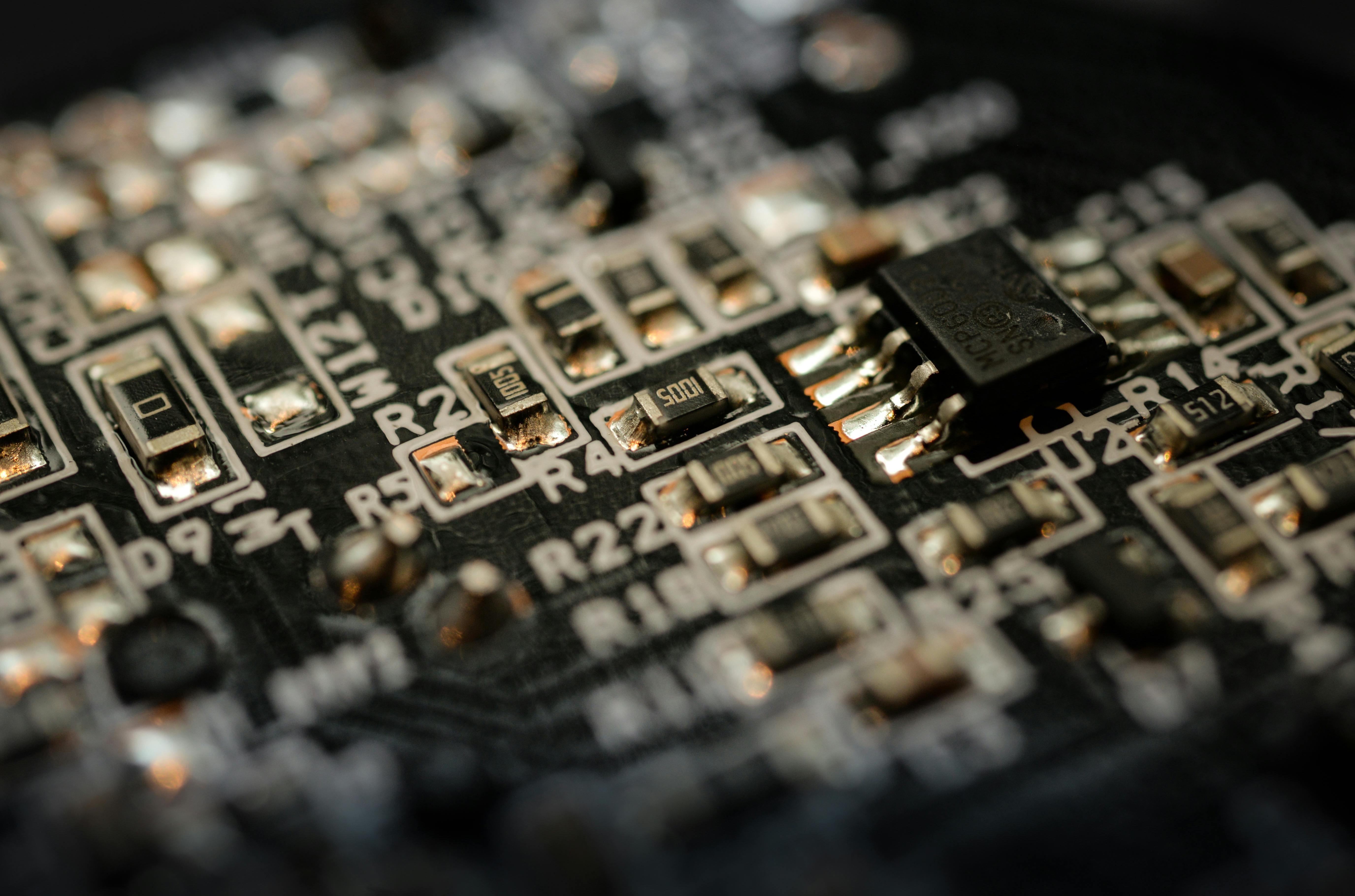
The process begins with silicon, the second most abundant element in the Earth’s crust. Common sand, or silica (SiO2), is the primary source. The first challenge is purification. Through a series of chemical reactions in electric arc furnaces, the silica is reduced to metallurgical-grade silicon, which is about 98% pure. This is then further refined into electronic-grade silicon (EGS), reaching an astonishing purity of 99.9999999% (often referred to as ‘nine nines’).
This ultra-pure silicon is then melted and formed into a single crystal ingot using the Czochralski method. A small seed crystal is dipped into the molten silicon and slowly rotated and pulled upwards. As it is withdrawn, the silicon solidifies into a single, continuous crystal structure. The result is a cylindrical ingot that can weigh over 100 kilograms and measure up to 300 millimeters in diameter. This ingot is then ground to a precise diameter and sliced into thin wafers using a diamond saw. Each wafer is then polished to a mirror-like finish, ready for the fabrication process. The entire journey from sand to a polished wafer is a feat of materials science, ensuring that the foundation of the chip is flawless.
Step 2: Wafer Fabrication – The Core of Chipmaking
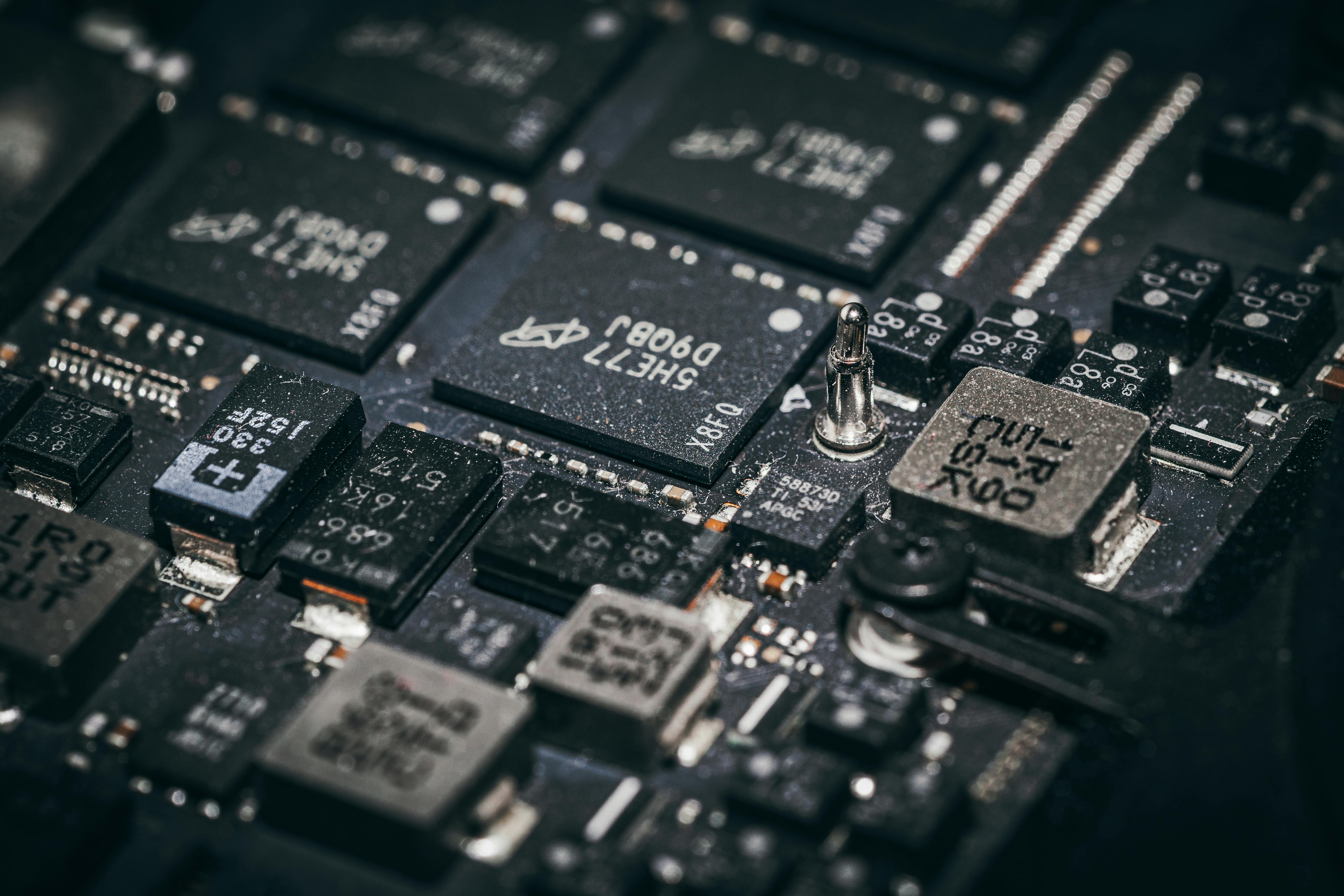
This is where the real complexity begins. Wafer fabrication, or ‘fab’, takes place in highly controlled cleanrooms, where the air is filtered to remove nearly all dust particles. The entire process is a repeated cycle of deposition, patterning, and etching, building up the intricate layers of the chip.
Photolithography: Drawing the Blueprint
Photolithography is the process of transferring the chip’s design onto the wafer. The wafer is first coated with a light-sensitive material called photoresist. A ‘mask’ containing the pattern for one layer of the chip is then aligned over the wafer. Ultraviolet (UV) light is shone through the mask, exposing the photoresist. The exposed areas become soluble and are washed away, leaving a stencil of the circuit pattern. This process is repeated dozens of times, each time with a different mask, to build up the complex three-dimensional structure of the chip. As of 2026, state-of-the-art extreme ultraviolet (EUV) lithography is used to create features just a few nanometers wide.
Etching and Deposition
After the pattern is defined, the exposed areas of the wafer material are etched away using either liquid chemicals (wet etching) or plasma (dry etching). This creates the trenches and channels that will form the transistors and interconnects. Next, thin layers of various materials—conductors like copper, insulators like silicon dioxide, and semiconductors—are deposited onto the wafer using processes like chemical vapor deposition (CVD) or physical vapor deposition (PVD). Each layer is precisely controlled to be just a few atoms thick.
Doping: Giving Silicon its Electrical Properties
Pure silicon is a semiconductor, meaning it can be made to conduct or insulate. To create transistors, specific areas of the silicon must be ‘doped’ with impurities. This is done through ion implantation, where high-energy beams of atoms (like boron or phosphorus) are fired into the wafer. This process changes the electrical conductivity of the silicon, creating the N-type (negative) and P-type (positive) regions that form the basis of a transistor. The precision of this step is critical; the depth and concentration of the dopants must be controlled with nanometer accuracy.
Step 3: Transistor Formation – The Heart of the Processor
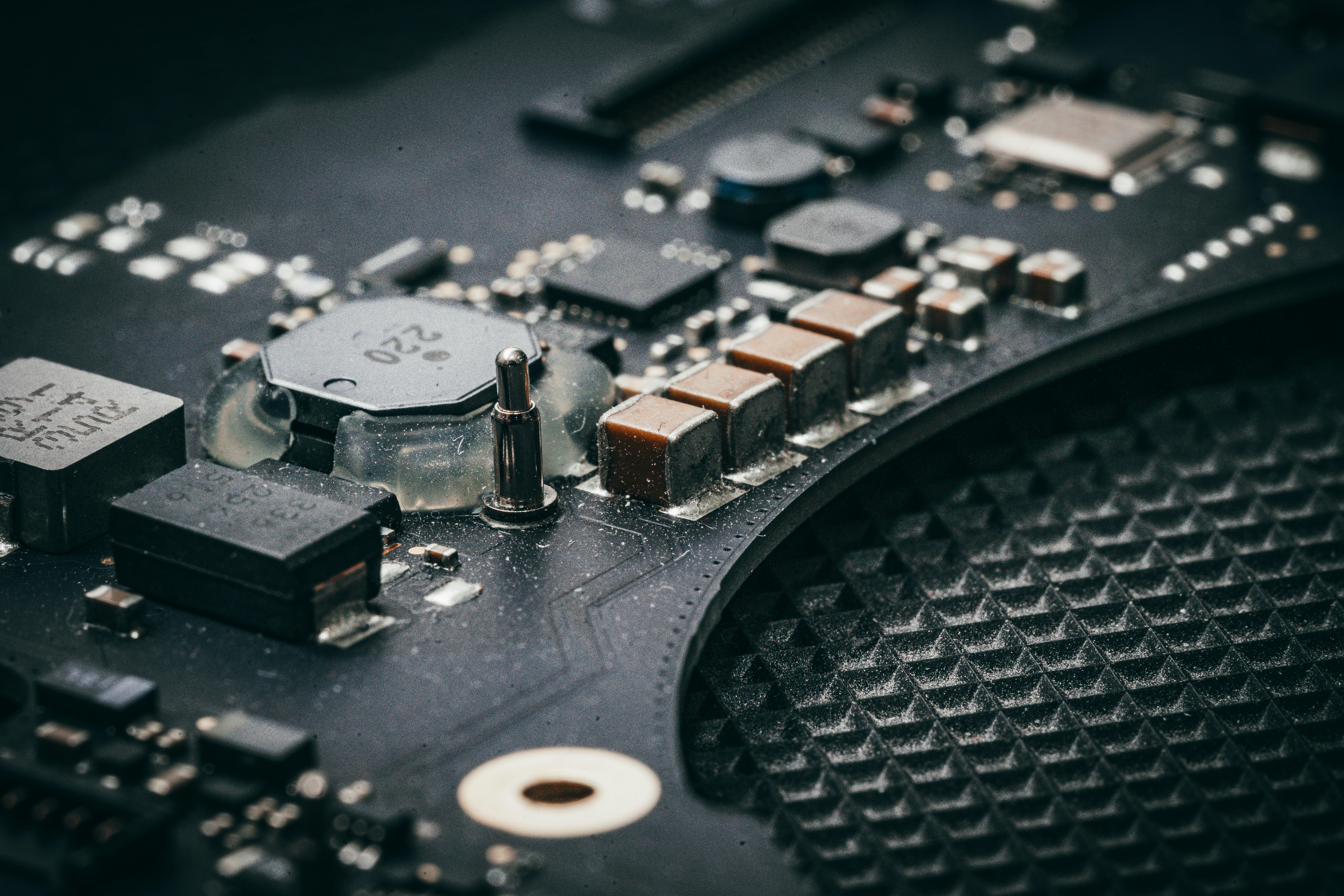
The transistor is the fundamental building block of a microprocessor. It acts as a tiny switch that can turn a current on or off, representing the binary ‘1’s and ‘0’s that computers use. Modern processors contain billions of these switches packed into an area smaller than a fingernail.
Intel has been a pioneer in transistor innovation. For decades, transistors were planar (flat). In 2011, Intel introduced the Tri-Gate (FinFET) transistor, a three-dimensional design that wraps the gate around three sides of the silicon channel, providing better control over current flow and reducing power leakage. This allowed for continued scaling of transistor density and performance improvements, as noted in Intel’s official documentation on the subject. The transition to FinFET was a major milestone in extending Moore’s Law, the observation that the number of transistors on a chip doubles approximately every two years.
Step 4: Interconnect and Metallization
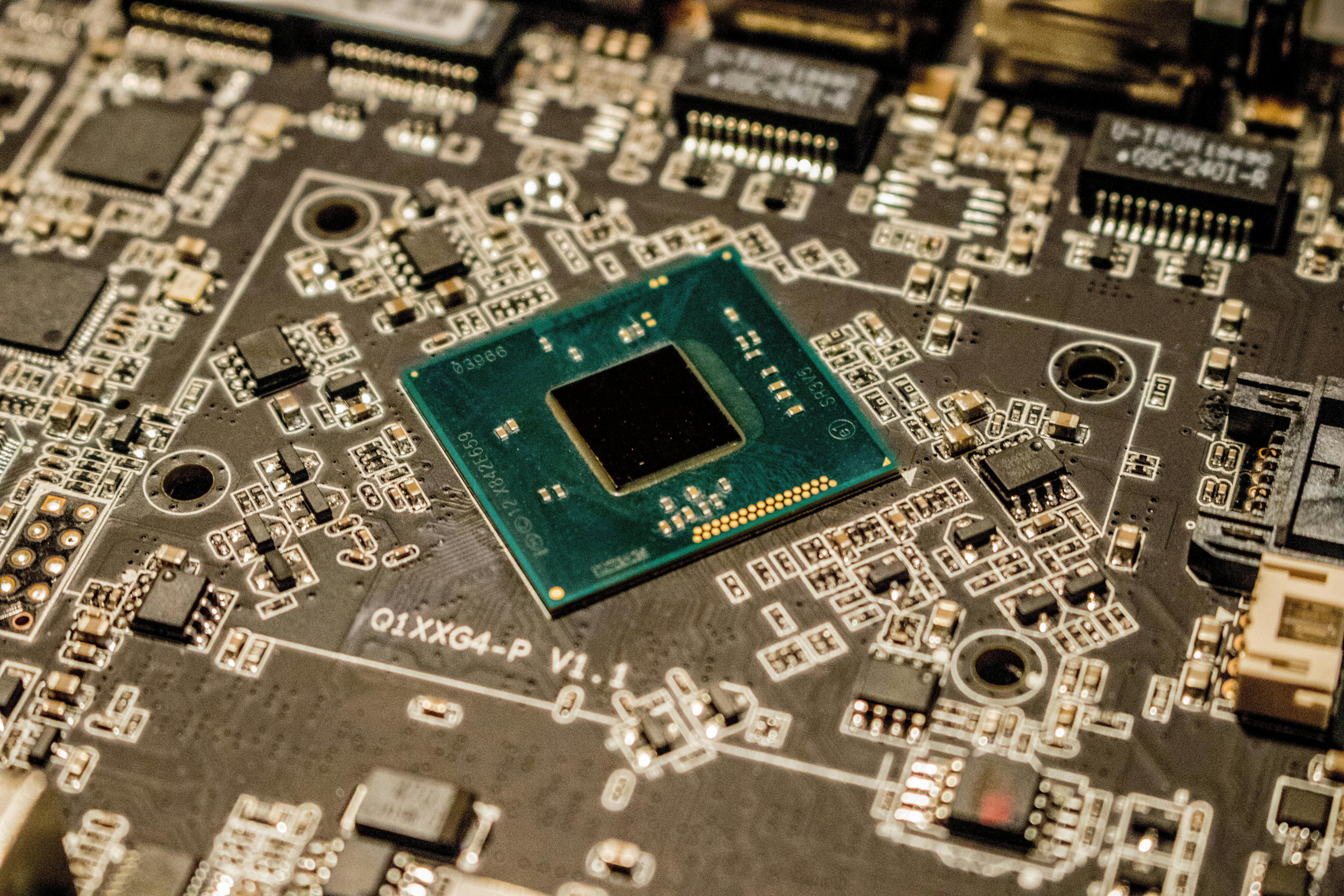
Once the transistors are built, they must be connected to each other and to the outside world. This is done through a complex network of metal interconnects. After the transistor layer is complete, alternating layers of insulating material (dielectric) and conductive metal (usually copper) are deposited. Through a process called damascene, trenches and vias (vertical connections) are etched into the dielectric, filled with copper, and then polished flat using chemical-mechanical planarization (CMP). A modern microprocessor can have over a dozen layers of these interconnects, forming a microscopic city of wiring that routes data and power to every part of the chip.
Step 5: Testing, Dicing, and Packaging
After fabrication is complete, the wafer contains hundreds or thousands of individual chips (dies). Each die is electrically tested using a probe card that touches the contact pads. Defective dies are marked with ink or mapped in a database. The wafer is then cut into individual dies using a diamond saw. Each good die is then packaged. The package serves several critical functions: it protects the delicate silicon die, provides a means for electrical connection to a circuit board (via pins or solder balls), and helps dissipate heat. The die is attached to a substrate, wire bonds or solder bumps connect the die’s pads to the package leads, and the entire assembly is encapsulated in resin. The final packaged chip is then tested again to ensure it meets performance specifications.
Industry Context and Economic Scale
The semiconductor industry is one of the most capital-intensive in the world. Building a single leading-edge fabrication plant (fab) can cost upwards of $20 billion. The scale of the industry is immense. Intel, a key player in this space, reported first-quarter 2026 revenue of $13.6 billion, up 7% year-over-year, according to its official financial results. This highlights the continued global demand for advanced chips, driven by AI, cloud computing, and the proliferation of smart devices.
The table below provides a comparative overview of key aspects of chip manufacturing across different process nodes and companies. Note that specific technical details are subject to rapid change and require source verification.
| Process Node | Company | Key Technology | Approximate Transistor Density | Primary Application |
|---|---|---|---|---|
| Intel 4 (7nm equivalent) | Intel | EUV Lithography, FinFET | ~100 MTr/mm2 (estimate) | High-performance computing, client CPUs |
| 3nm (N3) | TSMC | FinFlex, EUV | ~200 MTr/mm2 (estimate) | Mobile, AI accelerators, high-end CPUs |
| 2nm (GAA) | Samsung/TSMC | Gate-All-Around (GAA) FET | ~300 MTr/mm2 (estimate) | Next-gen mobile, AI, data center |
Note: Transistor density figures are industry estimates and can vary significantly based on design (e.g., SRAM vs. logic). Specific data points require direct source verification from company white papers.
The Future: Challenges and Innovations
The journey from sand to silicon is becoming increasingly difficult and expensive. As feature sizes approach the atomic scale, the industry faces fundamental physical limits. Power leakage, heat dissipation, and quantum tunneling are significant challenges. However, innovation continues. New transistor architectures like Gate-All-Around (GAA) and complementary FET (CFET) promise to extend scaling. Advanced packaging techniques, such as Intel’s Foveros and EMIB, allow for chiplets to be combined in a single package, improving performance and yield. The Deloitte 2026 Semiconductor Industry Outlook emphasizes that the industry will need to invest heavily in new materials, design tools, and manufacturing processes to maintain the pace of innovation.
Conclusion
The making of a microchip is a testament to human ingenuity, transforming the most common of materials into the most complex of machines. From the purification of sand to the construction of billions of atomic-scale switches, each step requires precision, control, and immense capital investment. Understanding this process is crucial for anyone involved in technology, from investors to developers to policymakers. The chip is not just a product; it is the foundational technology upon which the modern world is built, and its evolution will continue to shape our future.
Sources and further reading
- Intel’s official ‘From Sand to Silicon’ guide provides a visual walkthrough of the chipmaking process.
- Intel’s ‘From Sand to Silicon’ YouTube video offers a concise animated explanation of the process.
- Intel’s First-Quarter 2026 Financial Results provide key revenue and market data for the company.
- Intel (INTC) Revenue data from Stock Analysis offers historical and current revenue figures.
- Deloitte’s 2026 Semiconductor Industry Outlook provides strategic analysis of industry trends and challenges.
- Discussion on Linus Tech Tips forum provides community perspectives on the Intel video.
How this analysis was produced
This article was produced by combining current web research, a review of Intel’s official documentation and financial reports, and editorial synthesis of semiconductor industry knowledge. All specific data points, such as revenue figures and process node details, are attributed to their respective sources. Where specific numbers are not verified by the provided dossier, they are clearly marked as estimates.