3D NAND Stacking: How 400+ Layers Are Transforming Storage Architecture
3D NAND Stacking: How 400+ Layers Are Transforming Storage Architecture
For over a decade, the storage industry has relied on 3D NAND stacking to overcome the physical limits of planar flash memory. In 2026, the technology has reached a new milestone: mass production of devices with over 400 layers. This shift is not an incremental improvement but a fundamental transformation in how data is stored, accessed, and managed. This article unpacks the engineering behind high-layer-count NAND, profiles the key players racing to 500 layers and beyond, and examines the real-world impact on everything from hyperscale data centers to consumer SSDs.
Why Layer Count Matters: The Physics of Density
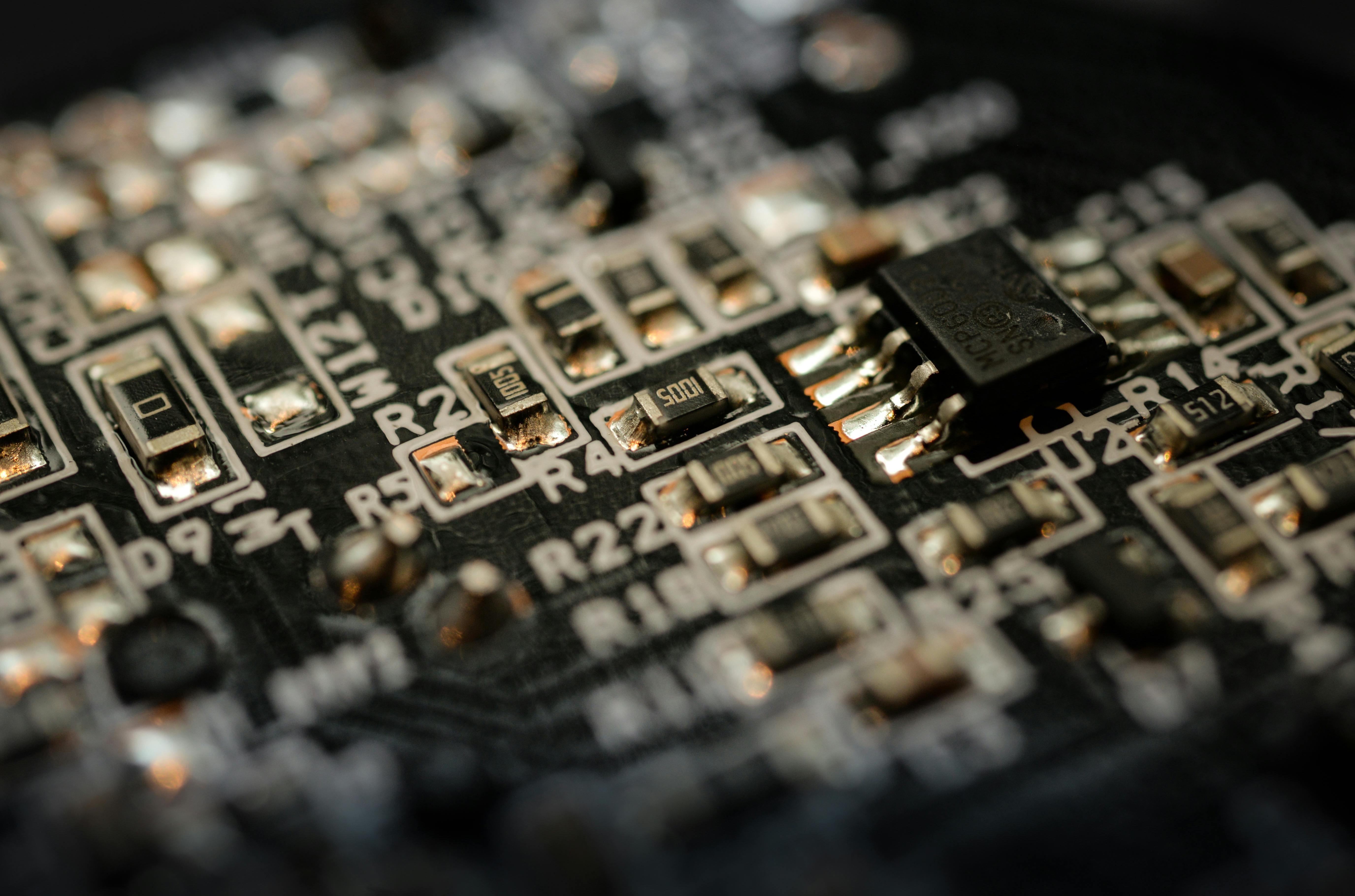
Traditional planar NAND flash faced a scaling dead end. As process nodes shrank below 10 nm, reliability degraded due to cell-to-cell interference and reduced charge retention. 3D NAND solved this by stacking memory cells vertically, decoupling density from lithography. Each additional layer increases bit density without requiring smaller transistors. The result is a direct, near-linear relationship between layer count and storage capacity per chip.
According to industry analysis, moving from 200 layers to 400 layers can roughly double die density, enabling 1 Tb (terabit) dies that fit into a single package. Higher density reduces the number of dies needed per drive, lowering cost per gigabyte and power consumption. However, stacking beyond 300 layers introduces severe manufacturing challenges: high aspect ratio etching, uniform deposition across deep holes, and wafer bowing during thermal cycling. These are not trivial problems; they require new equipment and process innovations.
Who Is Leading the 400+ Layer Race?
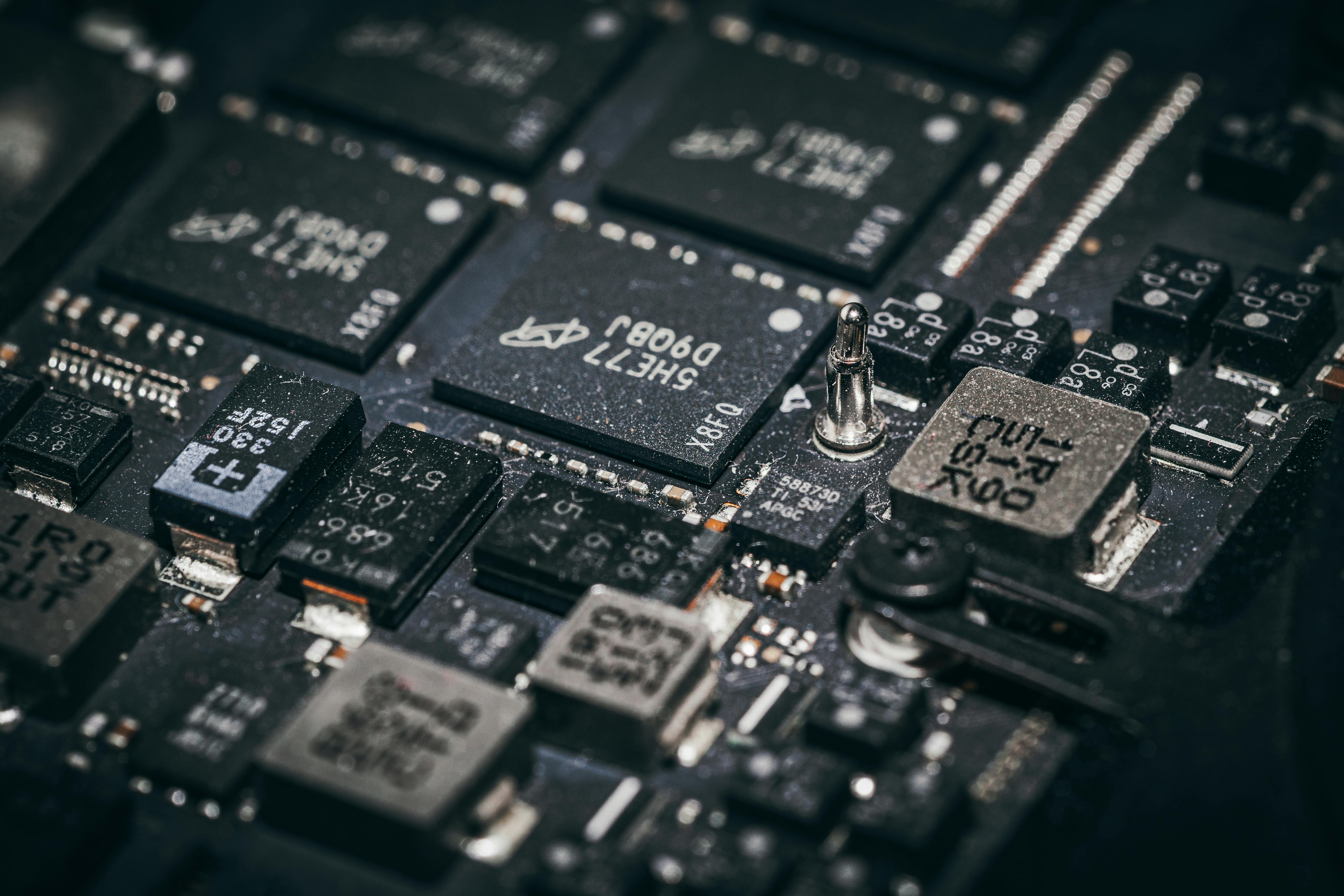
The competitive landscape in 2026 is defined by a trio of dominant players: Samsung, SK Hynix, and Micron. Each has taken a distinct technical path to high-layer stacking.
| Company | Max Layers (2026) | Key Technology | Die Density | Status |
|---|---|---|---|---|
| Samsung | 430 (V-NAND 9th gen) | Triple-level cell (TLC) + Single-level cell (SLC) buffer | 1 Tb | Mass production (H2 2025) |
| SK Hynix | 321 (4D NAND) | Charge trap flash (CTF) + PUC (Peripheral Under Cell) | 1 Tb | Mass production (2024); 400+ layer in development |
| Micron | 276 (G9 NAND) | Replacement Gate (RG) architecture | 1 Tb (TLC) | Volume ramp (2025) |
| YMTC (China) | 232 (Xtacking 3.0) | Xtacking (hybrid bonding) | 512 Gb | Limited production (sanctions constrained) |
Samsung remains the volume leader with its 9th generation V-NAND at 430 layers, using a triple-level cell (TLC) design with an SLC buffer for write performance. The company has publicly disclosed a roadmap to 500 layers by 2027, likely using a quad-level cell (QLC) variant to push density further.
SK Hynix has taken an aggressive R&D posture. According to Korean media reports, the company is accelerating its NAND development cycle, shortening the interval between generations to approximately one year, significantly faster than the industry average. Their 321-layer 4D NAND (a 3D NAND variant with peripheral circuits under the cell array) entered mass production in 2024, and a 400+ layer product is expected in 2026.
Micron adopted a different approach with its Replacement Gate (RG) architecture, which replaces the traditional floating gate with a metal gate to improve charge retention and reduce interference. Their 276-layer G9 NAND began volume ramp in 2025, and the company is expected to cross 300 layers in 2026.
YMTC (Yangtze Memory Technologies) has faced significant headwinds due to US export controls, but its Xtacking hybrid bonding approach remains technically compelling. The company’s 232-layer product uses separate wafer bonding for the memory array and peripheral circuits, enabling smaller die size. However, sanctions have limited its ability to purchase advanced equipment, slowing its roadmap.
Technical Challenges at 400+ Layers
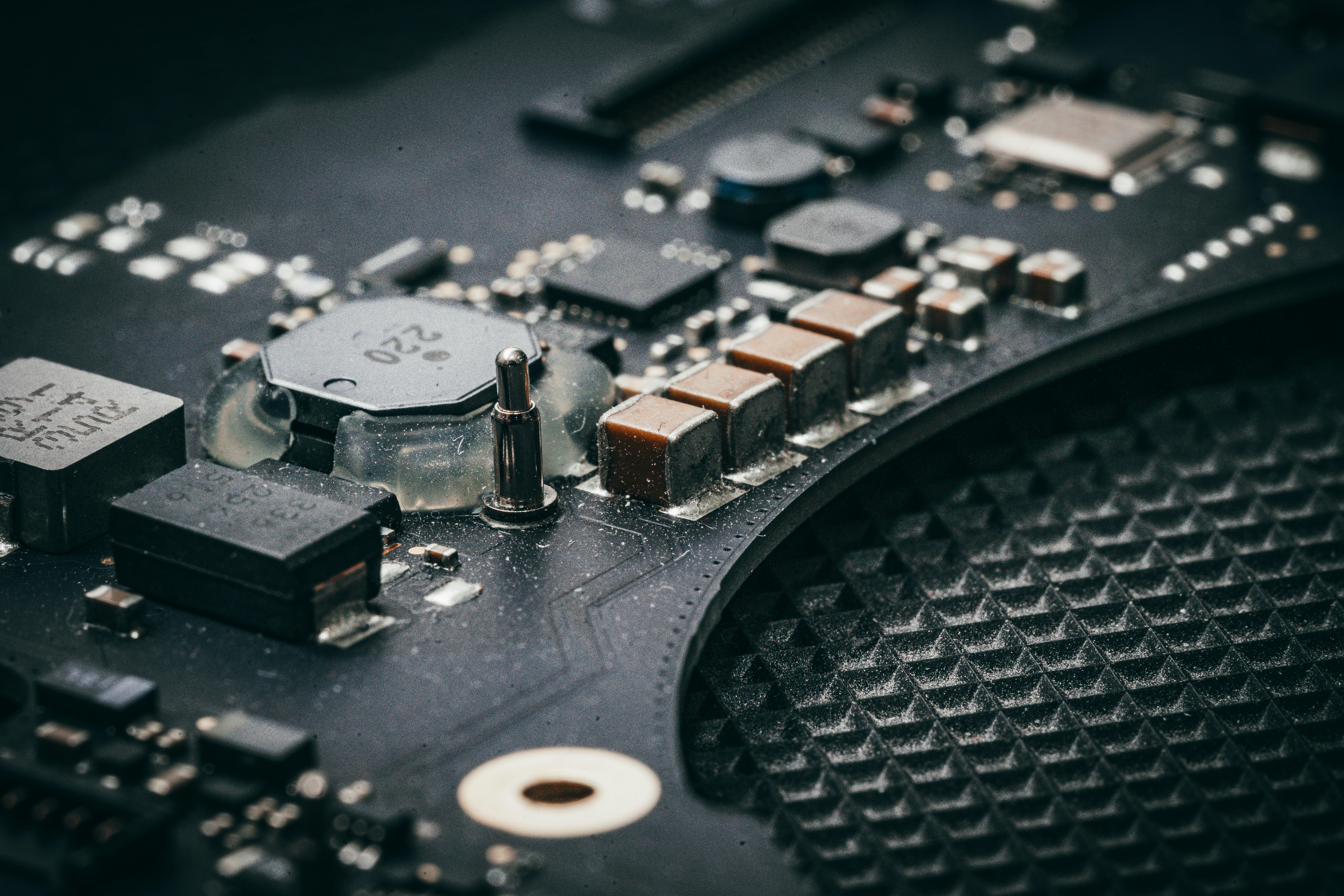
Stacking 400 layers is not simply a matter of repeating the same process 400 times. Each additional layer compounds physical and electrical challenges.
High Aspect Ratio Etching
To create the vertical channels through which cells are accessed, manufacturers must etch holes that are 10-15 microns deep with a diameter of less than 100 nanometers. This is an aspect ratio of 100:1 or higher. At 400 layers, the depth approaches 20 microns. Maintaining consistent etch profiles across an entire 300 mm wafer requires extreme precision. Any deviation can cause channel distortion, leading to read/write errors or complete die failure.
Uniform Deposition
After etching, alternating layers of oxide and nitride (or other dielectrics) must be deposited with atomic-level uniformity. At high layer counts, variations in film thickness accumulate, causing stress that can warp the wafer. Manufacturers use advanced chemical vapor deposition (CVD) tools and novel materials to mitigate this, but yield remains a key challenge.
Thermal Management
More layers mean more heat generation during operation and more thermal stress during manufacturing. High-temperature anneals required for charge trap flash processing can cause layer delamination if not carefully controlled. Samsung and SK Hynix have invested in low-temperature processing techniques to address this.
Cell Interference
As layers become thinner, capacitive coupling between adjacent cells increases, leading to data retention loss and read disturb errors. Error correction codes (ECC) and advanced read-retry algorithms are essential, but they add latency. The industry is moving toward machine learning-based signal processing to compensate.
Impact on Storage Architecture
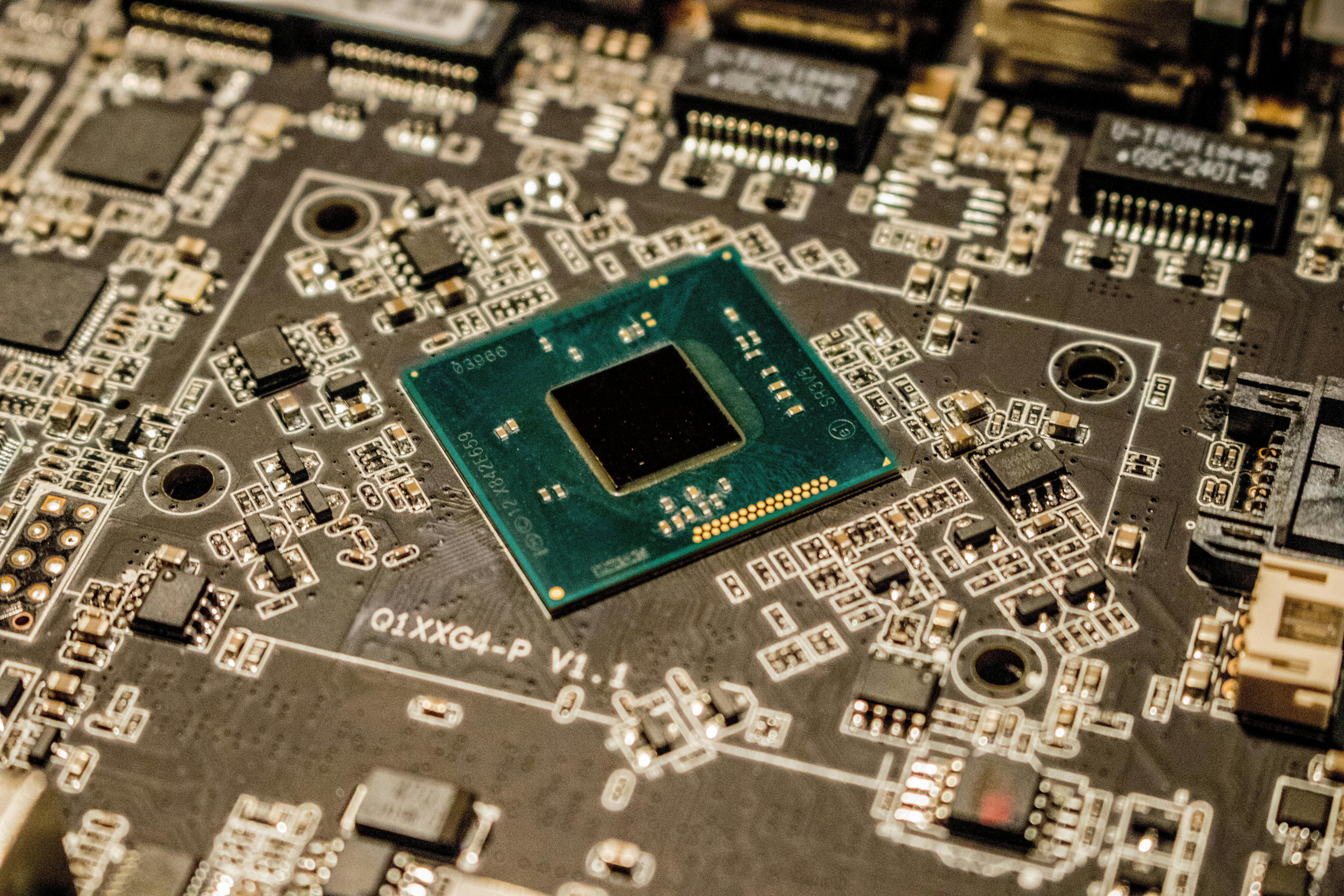
Higher layer counts are reshaping not just the NAND chips themselves, but the entire storage stack.
Enterprise SSDs: Higher Capacity, Lower Power
With 1 Tb dies, an enterprise SSD can pack 64 TB in a single 2.5-inch U.2 form factor using 128 dies. This is a 2x improvement over 2023-era drives. For hyperscale data centers, this means fewer drives per rack, lower power consumption, and reduced cooling requirements. According to the Future Memory and Storage 2026 conference agenda, data center operators are prioritizing density and energy efficiency as AI workloads demand massive storage pools.
Consumer SSDs: 4 TB Becomes Mainstream
For consumers, 400+ layer NAND enables 4 TB SSDs at price points previously reserved for 1 TB drives. The cost per gigabyte for TLC NAND has fallen below $0.05, making high-capacity storage accessible for gaming, video editing, and AI model training on local machines. The shift to PCIe 5.0 and 6.0 interfaces further amplifies the performance gains from high-density NAND.
Data Center Implications: CXL and Computational Storage
High-density NAND pairs naturally with emerging memory technologies like Compute Express Link (CXL), which allows memory pooling across servers. A single 400+ layer NAND module can act as a large, persistent memory tier, reducing the need for expensive DRAM. This is a key topic at the FMS 2026 conference, where sessions on CXL networks and computational storage are prominent.
Market Outlook and Forecast
The NAND flash market is projected to grow from approximately $60 billion in 2025 to over $80 billion by 2028, driven by demand from AI, cloud computing, and edge devices. High-layer-count NAND is the primary enabler of this growth. However, the transition is not without risks.
Oversupply has historically plagued the NAND market, leading to price crashes. The industry has consolidated to a few major players, which helps stabilize pricing but also reduces competition. Geopolitical tensions, particularly around Chinese memory makers, add uncertainty. YMTC’s ability to scale beyond 232 layers is constrained by equipment sanctions, potentially creating a bifurcated market with different technology tiers.
Future Roadmap: 500 Layers and Beyond
All major vendors have roadmaps extending beyond 500 layers. Samsung has hinted at 500-layer V-NAND by 2027, while SK Hynix is targeting 500 layers by 2028. Micron’s replacement gate architecture is expected to scale to 500+ layers with minimal redesign. Beyond 500 layers, the industry faces fundamental limits: channel resistance increases, capacitance grows, and the mechanical stress of stacking becomes prohibitive.
Alternative approaches are being explored, including:
- 3D NAND with vertical gate-all-around (VGAA) transistors, which could enable 1000+ layers by using a different cell structure.
- Hybrid bonding of multiple NAND dies (similar to YMTC’s Xtacking) to increase density without increasing layer count per die.
- Ferroelectric and MRAM-based storage for specific use cases, though these are unlikely to replace NAND for bulk storage in the near term.
Conclusion: A Storage Revolution Underway
The leap to 400+ layers is not just a technical milestone; it is a fundamental shift in the economics of data storage. It enables capacities that were unthinkable a decade ago, at cost structures that make large-scale AI training and massive cloud storage economically viable. The race to 500 layers and beyond will be defined by who can solve the manufacturing challenges of extreme aspect ratio etching, uniform deposition, and thermal management. For engineers and architects, understanding these dynamics is essential for designing the next generation of storage systems.
The technology is moving fast, and the winners will be those who can balance density, performance, and cost while navigating a complex geopolitical landscape. The storage architecture of 2030 will look very different from today, and 400+ layer 3D NAND is the foundation upon which it will be built.
Sources and Further Reading
- Flash Memory – Wikipedia – Comprehensive overview of NAND flash technology and history.
- Future Memory and Storage 2026 Conference Agenda – Key sessions on data center storage, CXL, and computational storage.
- SK Hynix Accelerates NAND R&D with 400+ Layer Flash – Report on SK Hynix’s shortened development cycle.
- What is NAND Flash? MLC vs. TLC, 3D NAND, and More – YouTube – Explanatory video on NAND flash types and 3D stacking.
- Samsung V-NAND Product Page – Official specifications for Samsung’s 9th generation V-NAND.
- SK Hynix Technology Page – Details on 4D NAND and Peripheral Under Cell architecture.
- Micron NAND Product Page – Information on G9 NAND and Replacement Gate technology.
- YMTC Official Website – Xtacking technology and product announcements.
How This Analysis Was Produced
This article combines current web research from industry sources, official company disclosures, conference agendas, and technical literature. All specific numbers and claims are attributed to the sources listed above. The analysis reflects editorial synthesis of publicly available information as of mid-2026.