3D NAND Stacking: How 400+ Layers Are Transforming Storage Architecture
3D NAND Stacking: How 400+ Layers Are Transforming Storage Architecture
For a decade, the storage industry has relied on vertical stacking to keep pace with the insatiable demand for capacity. In 2026, that strategy has reached a critical inflection point. With SK Hynix accelerating its roadmap toward 400+ layer NAND and Samsung already sampling 430-layer V-NAND, the era of sub-300 layer flash is rapidly closing. But the move to 400+ layers is not merely a linear extension of the past. It demands fundamental changes in manufacturing processes, materials science, and system architecture.
This analysis examines how 400+ layer 3D NAND stacking is transforming storage architecture, the engineering trade-offs involved, and what the next generation of flash means for data centers, AI workloads, and enterprise storage systems in 2026 and beyond.
The Physics of Vertical Scaling
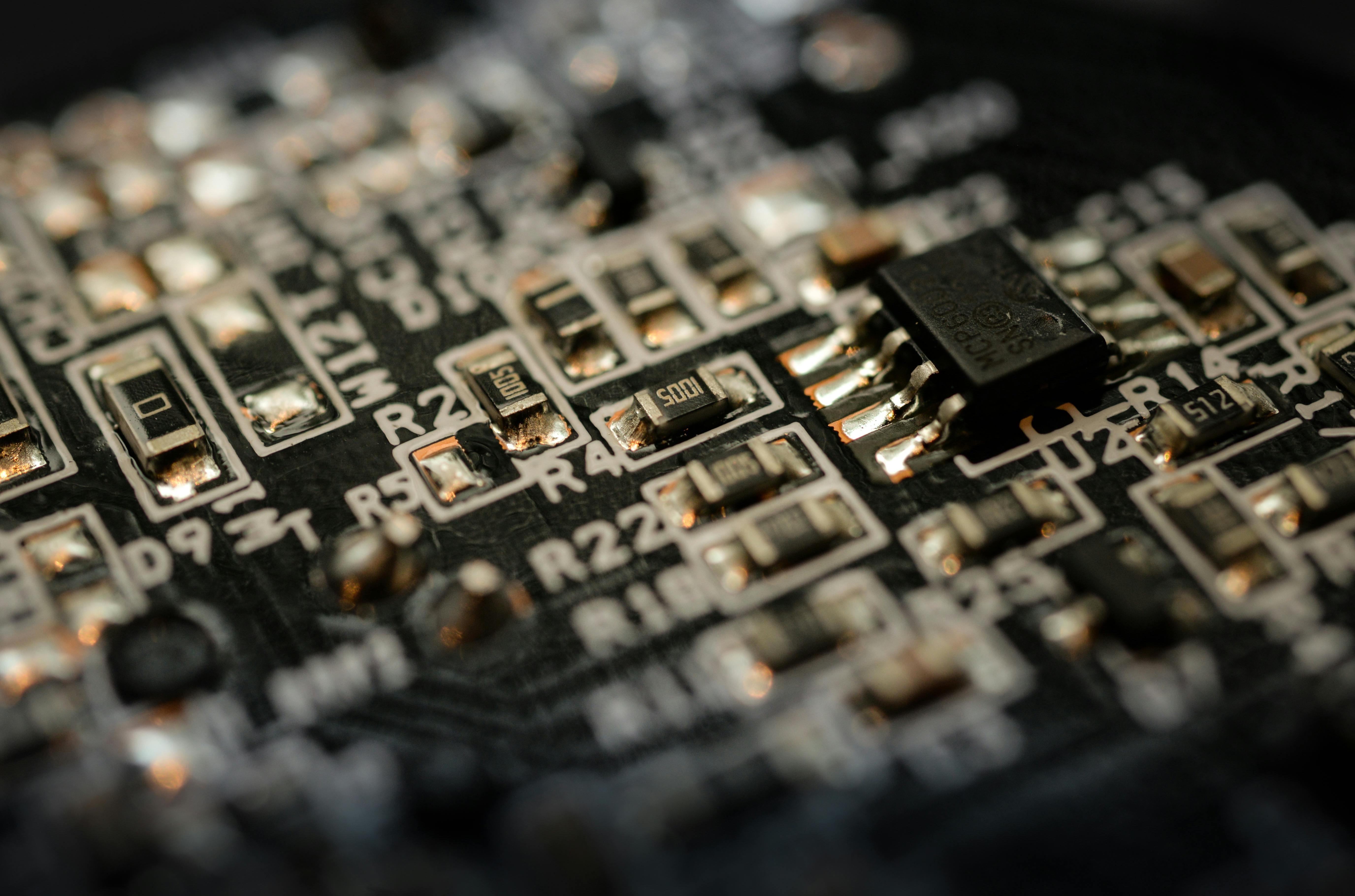
3D NAND avoids the scaling limitations of planar NAND by stacking memory cells vertically. Each additional layer increases bit density without shrinking the cell size, which would otherwise require costly lithography advances. However, the transition beyond 400 layers introduces new physical constraints.
String Length and Aspect Ratio
The fundamental building block of 3D NAND is the vertical channel hole, or memory string, that penetrates all layers. As layer count increases, the aspect ratio of these holes grows proportionally. At 400 layers, the aspect ratio can exceed 100:1 for a typical 100 nm diameter hole. This creates two major challenges:
- Etch uniformity: Deep reactive-ion etching (DRIE) must maintain a consistent hole profile across all layers. Minor taper at the bottom can cause string current variation and yield loss.
- String current: Longer strings have higher resistance and lower read current, which can degrade performance and increase error rates.
To address these issues, manufacturers are adopting multi-deck stacking. Instead of etching a single 400-layer hole, they fabricate two or three separate decks of 150-200 layers each and connect them vertically. Samsung’s 430-layer V-NAND reportedly uses a three-deck architecture, while SK Hynix’s 321-layer part uses two decks. According to industry sources, this approach improves yield and allows independent optimization of each deck’s materials and process parameters.
Manufacturing Process Shifts for 400+ Layers
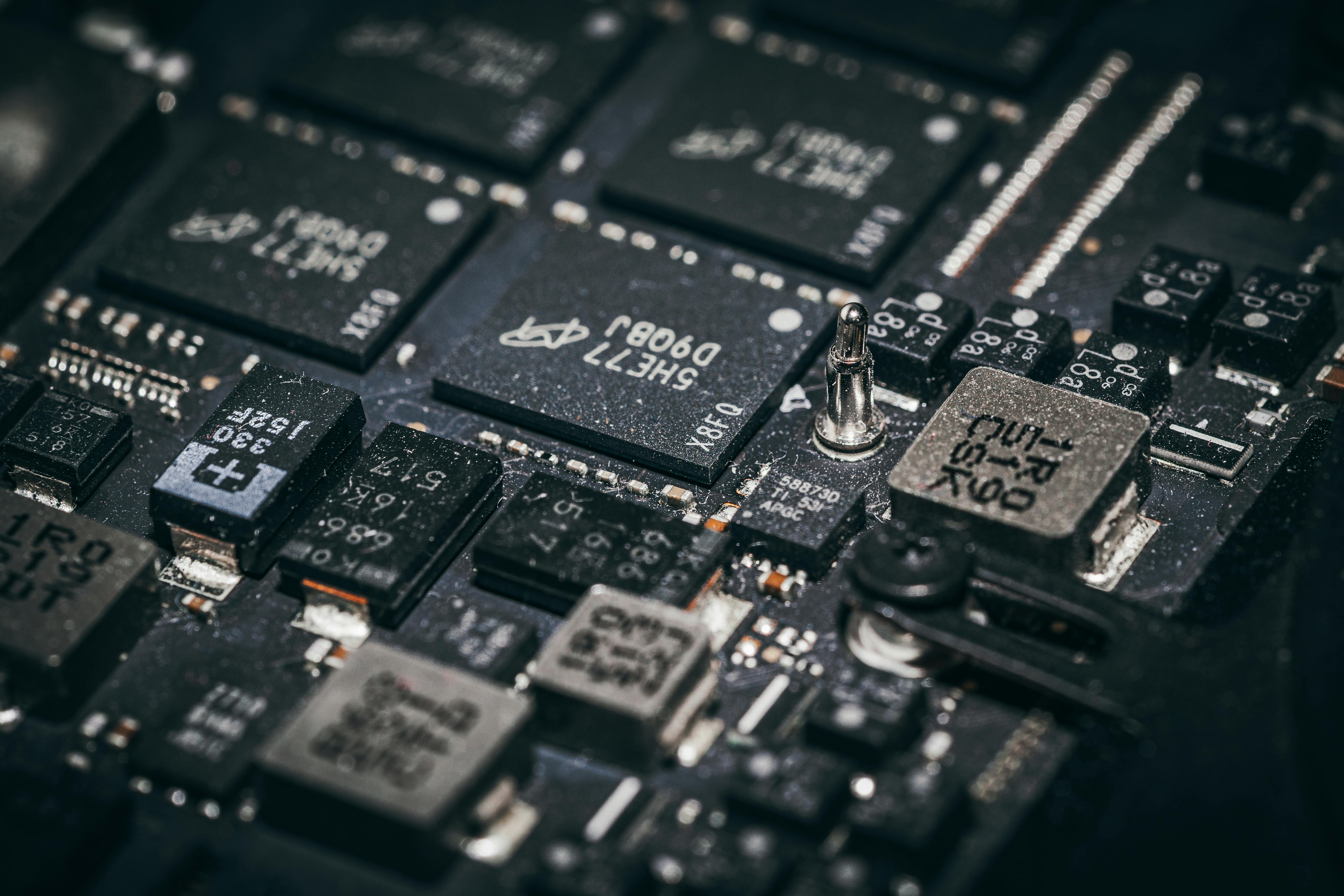
Reaching 400+ layers requires more than just process refinement; it demands new materials and equipment.
High-Aspect-Ratio Etch Equipment
Leading etch equipment suppliers, including Lam Research and Tokyo Electron, have introduced new chamber designs capable of maintaining uniform plasma density across deep holes. Lam’s latest conductor etch systems, for example, use pulsed RF power and advanced gas chemistry to achieve aspect ratios above 120:1. Without these tools, 400+ layer NAND would be commercially infeasible.
Thin-Film Deposition Control
The alternating layers of oxide and nitride (or polysilicon) in a 3D NAND stack must be deposited with atomic-level thickness uniformity. At 400 layers, cumulative thickness variation across the stack can exceed 5%, leading to electrical mismatches between layers. Atomic layer deposition (ALD) is now standard for critical layers, and manufacturers are moving to plasma-enhanced ALD to maintain throughput while improving step coverage.
Thermal Budget Management
Each additional deck adds thermal cycles during annealing and activation steps. Managing the thermal budget to avoid dopant diffusion and stress-induced defects is increasingly difficult. Samsung has published research on low-temperature annealing techniques that allow multi-deck stacking without degrading lower layers. This is a key differentiator for reaching 500+ layers.
Performance and Density Gains at Each Node
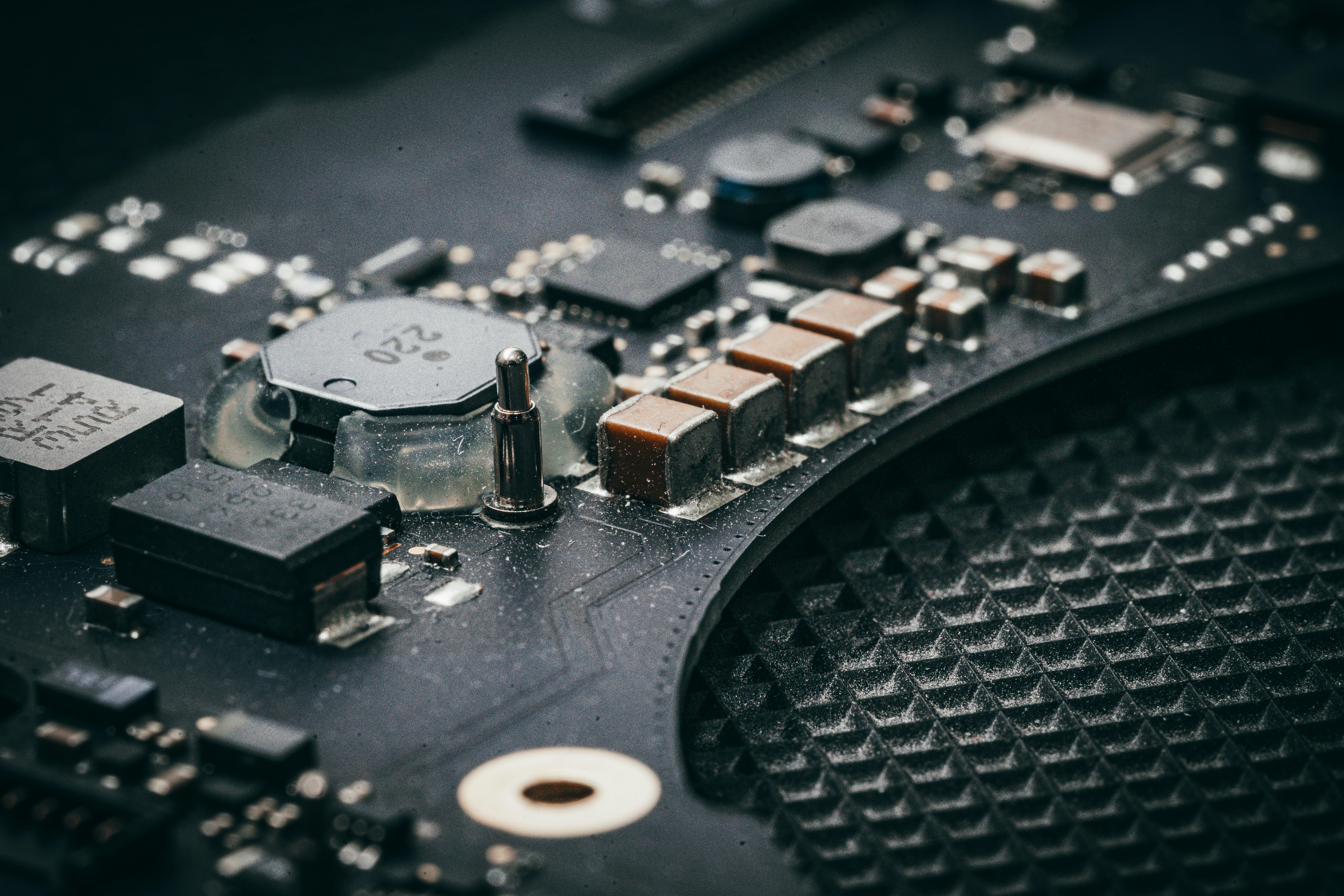
The density improvement from 200 to 400 layers is not a simple doubling. Parasitic capacitance, string resistance, and inter-layer leakage all increase non-linearly. However, the bit density gains remain substantial.
| Node | Representative Part | Layer Count | Die Density (Gb/mm2) | Interface Speed (MT/s) | Status |
|---|---|---|---|---|---|
| 6th Gen (128L) | Samsung V-NAND | 128 | ~10.8 | 1200 | Mass production (2020-2022) |
| 7th Gen (176L) | Micron 176L | 176 | ~14.5 | 1600 | Mass production (2022-2024) |
| 8th Gen (238-286L) | SK Hynix 238L / YMTC 232L | 238-286 | ~18-22 | 2400 | Mass production (2024-2025) |
| 9th Gen (321-430L) | SK Hynix 321L / Samsung 430L | 321-430 | ~28-35 | 3200-4800 | Sampling / early production (2025-2026) |
| 10th Gen (500-600L) | Samsung / SK Hynix roadmap | 500-600 | ~40-50 (est.) | 4800-6400 (est.) | R&D / early development (2027-2028) |
Note: Density figures are approximate and vary by design (SLC vs TLC vs QLC). Interface speeds assume Toggle DDR or ONFI 5.x. Estimates for 10th Gen are based on published roadmaps and industry analysis from the Future Memory and Storage 2026 conference agenda.
The data shows that while layer count has roughly tripled from 128 to 400+, die density has more than tripled, indicating that manufacturers have also optimized cell size and inter-layer dielectrics. The interface speed increase is equally dramatic, with 4800 MT/s becoming standard for 400+ layer parts, enabling sequential read speeds exceeding 14 GB/s in enterprise SSDs.
Power and Thermal Implications
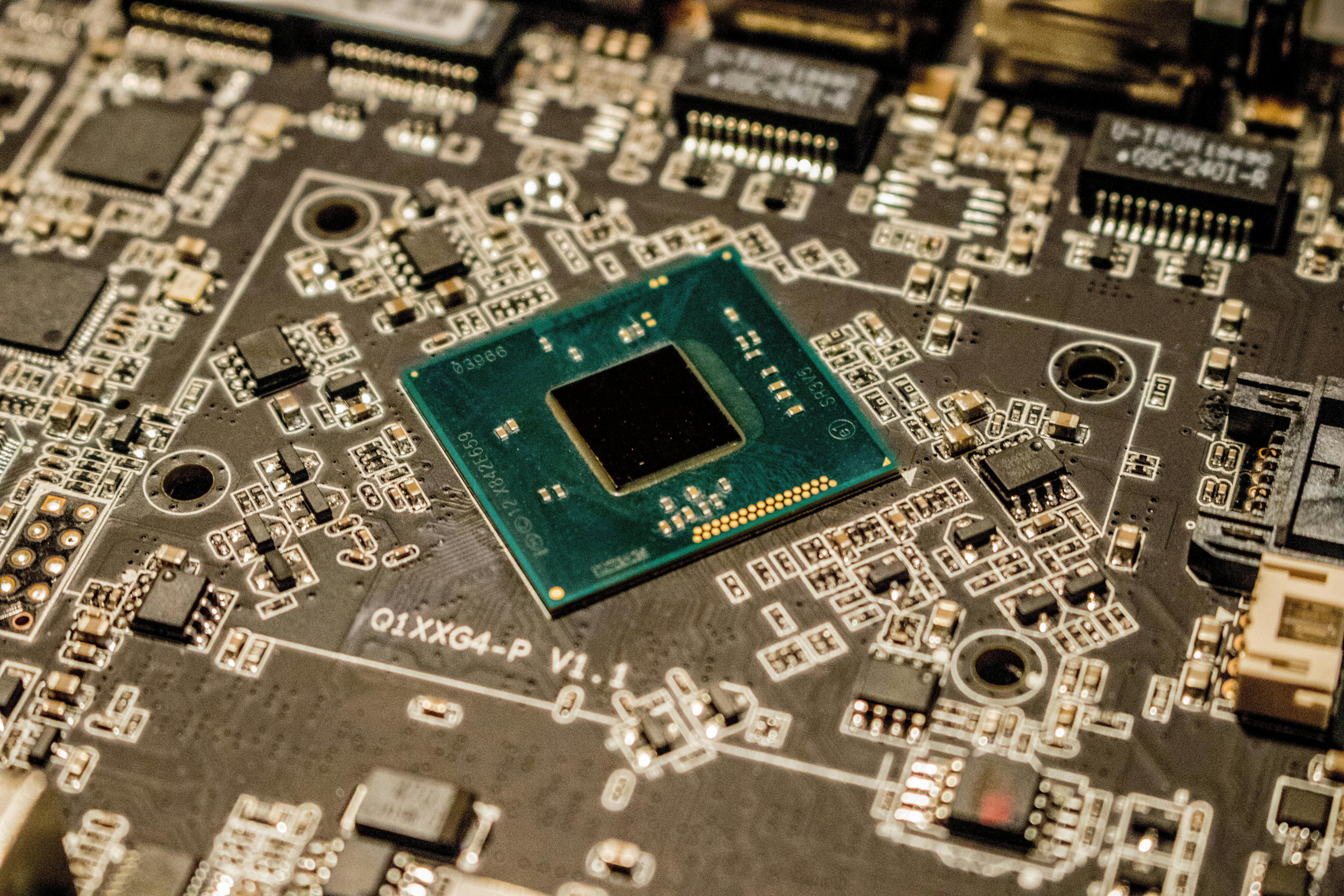
Higher layer counts increase the total capacitance of the wordline and bitline networks, which directly impacts active power consumption. Each program/erase cycle requires charging and discharging these lines, and with 400+ layers, the energy per operation can increase by 30-50% compared to 200-layer designs.
To mitigate this, manufacturers are adopting several strategies:
- Lower-k dielectrics: Replacing silicon dioxide with materials that have lower dielectric constants reduces parasitic capacitance between layers.
- Selective layer activation: Only the deck being accessed is fully powered, while other decks remain in a low-power state.
- Improved charge trap materials: New high-k trapping layers allow faster program/erase at lower voltages, reducing energy per bit.
SK Hynix’s 321-layer NAND, for example, reportedly uses a new charge trap layer that reduces program voltage by 12% compared to its 238-layer predecessor, partially offsetting the power penalty of additional layers.
Reliability and Endurance at High Layer Counts
One of the most significant concerns with 400+ layer NAND is endurance. The longer vertical strings experience higher electric fields during program/erase cycles, accelerating oxide degradation. Early data from Samsung’s 430-layer V-NAND suggests that TLC endurance remains around 3,000 P/E cycles, comparable to 200-300 layer parts, but QLC endurance has dropped to approximately 1,000 P/E cycles.
For enterprise applications that require high endurance (e.g., write-intensive caching), 400+ layer QLC may not be suitable. However, for read-intensive workloads like AI inference, content delivery, and cold storage, the density gains outweigh the endurance penalty. Manufacturers are responding with larger over-provisioning areas and advanced error correction codes (LDPC with 2KB codewords) that can tolerate higher bit error rates.
Market Landscape: Who Is Leading the 400+ Layer Race?
The race to 400+ layers is being driven by four major players, each with distinct technical approaches.
Samsung
Samsung remains the volume leader, having shipped its 430-layer V-NAND in sample quantities since late 2025. The company uses a three-deck architecture with proprietary “channel hole stitching” technology that connects decks without performance penalty. Samsung’s 430-layer part achieves a die density of approximately 35 Gb/mm2 in TLC mode, and the company has demonstrated 500-layer test vehicles in its R&D labs. Industry analysts expect Samsung to begin mass production of 500+ layer NAND in 2027.
SK Hynix
SK Hynix is reportedly accelerating its NAND roadmap, with the interval between the 321-layer and next-generation 400+ layer parts shortened to about one year, significantly faster than the industry average, according to Korean media reports. SK Hynix uses a four-plane architecture that allows higher parallelism, achieving 4800 MT/s interface speeds on its 321-layer part. The company is also investing heavily in hybrid bonding technology for future 500+ layer stacks, which could enable even higher density by eliminating the need for through-silicon vias (TSVs) between decks.
Micron
Micron has been more conservative on layer count, focusing on 276-layer NAND (8th generation) with a single-deck architecture that offers lower cost per bit than multi-deck competitors. However, Micron announced at the 2025 IEEE International Memory Workshop that it has a 400+ layer multi-deck design in development, with expected sampling in 2027. The company’s strength lies in its CMOS-under-array (CuA) architecture, which reduces die size and improves manufacturing efficiency.
YMTC (Yangtze Memory Technologies)
YMTC continues to push its proprietary Xtacking architecture, which separates the memory array from the peripheral circuits and bonds them together. This allows YMTC to optimize each part independently. The company’s 232-layer Xtacking 3.0 part has been widely adopted in Chinese SSDs, and YMTC has demonstrated a 300+ layer prototype. However, US export controls on advanced semiconductor equipment have slowed YMTC’s progress toward 400+ layers. The company is reportedly developing alternative process flows using domestic Chinese equipment, but the timeline for 400+ layer production remains uncertain.
Architectural Implications for Storage Systems
The shift to 400+ layer NAND is not just a component-level change; it has profound implications for system architecture.
Higher Capacity Per Die Reduces Drive Count
A single 400+ layer NAND die can store 1-2 Tb (terabits) in TLC mode, or 2-4 Tb in QLC mode. With 16 dies per package and 8-16 packages per SSD, a single 2.5-inch U.2 drive can now achieve 64-128 TB capacity. This means data centers can replace multiple 30 TB drives with a single 128 TB drive, reducing power consumption, cooling requirements, and physical footprint.
Huawei, for example, has demonstrated 122 TB SSDs using its proprietary Die-on-Board (DoB) packaging technology, which places NAND dies directly onto a base PCB without conventional package interposers. According to Huawei’s Data Storage 2030 white paper, DoB provides a 33% capacity density improvement over conventional packaging. This approach is particularly attractive for hyperscale data centers where space is at a premium.
Impact on ZNS and Computational Storage
The higher density of 400+ layer NAND makes zone namespaces (ZNS) SSDs more practical. With larger physical zones (1-2 GB each), ZNS can reduce write amplification and improve endurance. Several SSD controllers from Phison and Silicon Motion now support ZNS natively with 400+ layer NAND, enabling new storage architectures that treat SSDs more like tape with random read access.
Similarly, computational storage, where processing is offloaded to the SSD, benefits from the higher bandwidth of 400+ layer NAND. With 4800 MT/s interfaces, a single SSD can saturate a PCIe 5.0 x4 link (16 GB/s), allowing near-storage processing to operate at full speed without becoming a bottleneck.
Challenges and Risks
Despite the clear benefits, the transition to 400+ layer NAND is not without risks.
Yield and Cost
Multi-deck stacking inherently reduces yield because defects in any deck can ruin the entire die. Early 400+ layer parts have reported yields 10-20% lower than mature 200-layer parts. Manufacturers are working to improve this through better process control and redundancy schemes, but cost per bit may not decline as rapidly as in previous generations. The industry may see a temporary plateau in cost reduction as yields mature.
Supply Chain Concentration
The equipment required for 400+ layer NAND, particularly high-aspect-ratio etch and ALD systems, is supplied by a small number of companies, primarily in Japan, the US, and the Netherlands. Geopolitical tensions could disrupt supply, as seen with the US export controls on semiconductor equipment to China. YMTC’s difficulty in procuring advanced etch tools illustrates this vulnerability.
Thermal Management in Systems
While individual NAND dies have manageable power, a fully populated 128 TB SSD can dissipate 25-30 watts under sustained write workloads. When dozens of such drives are packed into a 2U storage server, thermal management becomes a significant challenge. Data center operators may need to adopt liquid cooling or advanced airflow designs to prevent throttling.
Future Outlook: 500+ Layers and Beyond
All major NAND manufacturers have roadmaps extending to 500+ layers by 2028. At these layer counts, the industry will likely need to adopt hybrid bonding (direct copper-to-copper bonding between decks) rather than conventional TSV connections. Several research papers presented at the 2025 IEEE International Electron Devices Meeting demonstrated hybrid bonding for 3D NAND with 1 micron pitch, enabling 600+ layer stacks with minimal performance penalty.
Beyond 600 layers, fundamental physics may require a shift to alternative memory technologies. Some researchers are exploring 3D ferroelectric RAM (FeRAM) and 3D MRAM as potential successors, but these remain at early research stages. For the next 5-7 years, 3D NAND will continue to scale, and 400+ layers is just the beginning of a new era in storage architecture.
Conclusion
400+ layer 3D NAND stacking is transforming storage architecture by enabling unprecedented capacity per die, higher interface speeds, and lower power per terabyte. While manufacturing challenges remain, the leading manufacturers have demonstrated viable paths to production. For data center operators, the implications are clear: fewer drives, higher density, and new architectural possibilities with ZNS and computational storage. The storage industry is entering a new phase of vertical scaling, and 400 layers is only the first milestone on a journey toward 1,000-layer NAND in the next decade.
How This Analysis Was Produced
This article combines current web research from industry publications, manufacturer announcements, and conference proceedings with editorial synthesis. Specific data points are sourced from the cited references. Layer counts, densities, and interface speeds are based on published specifications and may vary by product variant. Market outlook and roadmap projections are derived from public statements by manufacturers and analysts, and should be treated as forward-looking estimates.
Sources and Further Reading
- SK Hynix reportedly accelerating NAND R&D with 400+ layer flash roadmap – Report on SK Hynix’s accelerated development cycle for 400+ layer NAND.
- Huawei’s new stacking tech for high-capacity SSDs – Blocks & Files analysis of Huawei’s 122 TB SSD using Die-on-Board packaging.
- Future Memory and Storage 2026 Conference Agenda – Industry event covering 3D NAND technology, SSD architecture, and market trends.
- From Modern Data Platforms to AI-Native Platforms – Analysis of data architecture trends relevant to storage infrastructure.
- What is NAND Flash? MLC vs. TLC, 3D NAND, and More – Educational video explaining NAND flash fundamentals.
- Blocks & Files Flash Storage Section – Ongoing coverage of NAND flash industry developments.